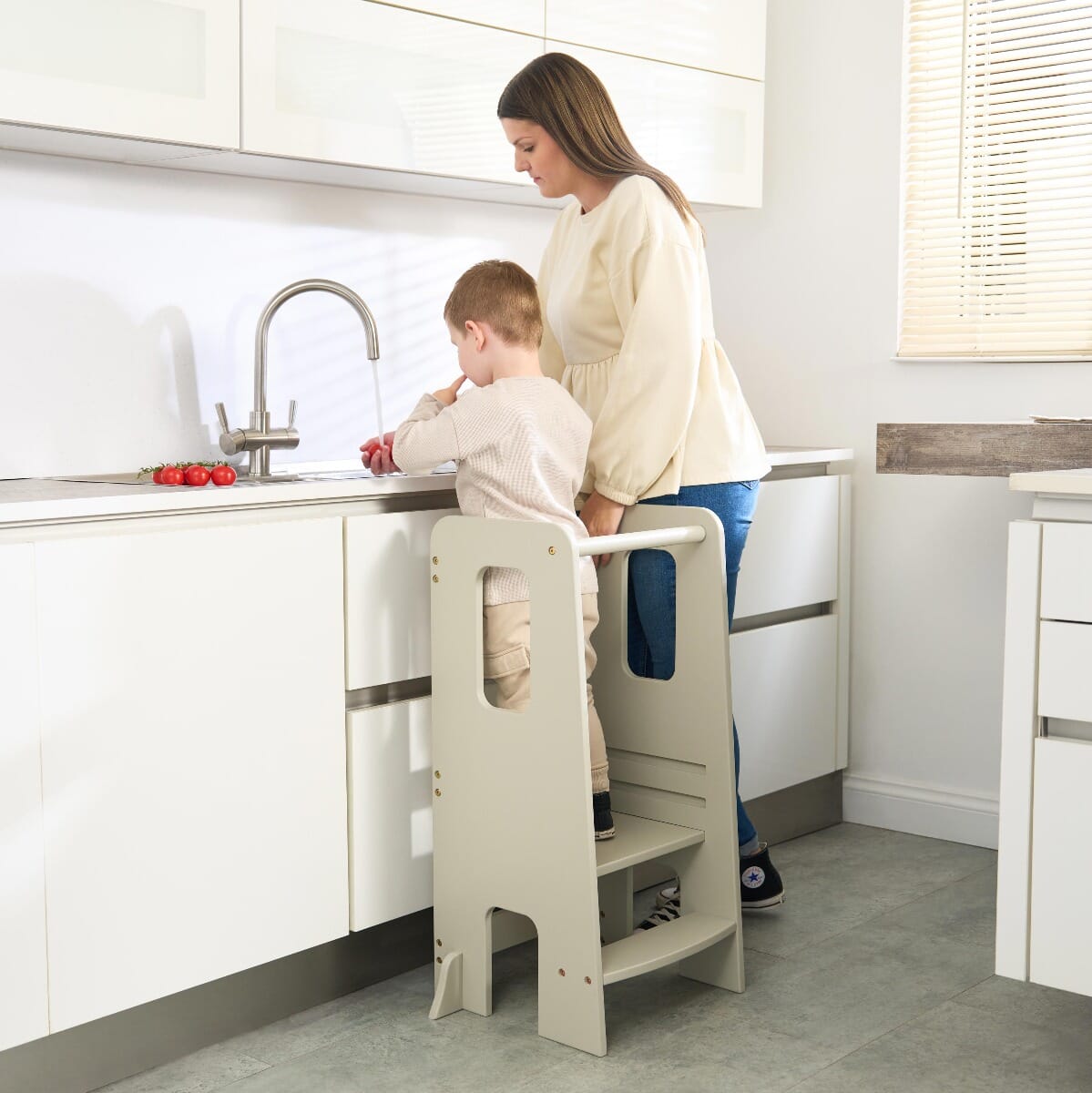
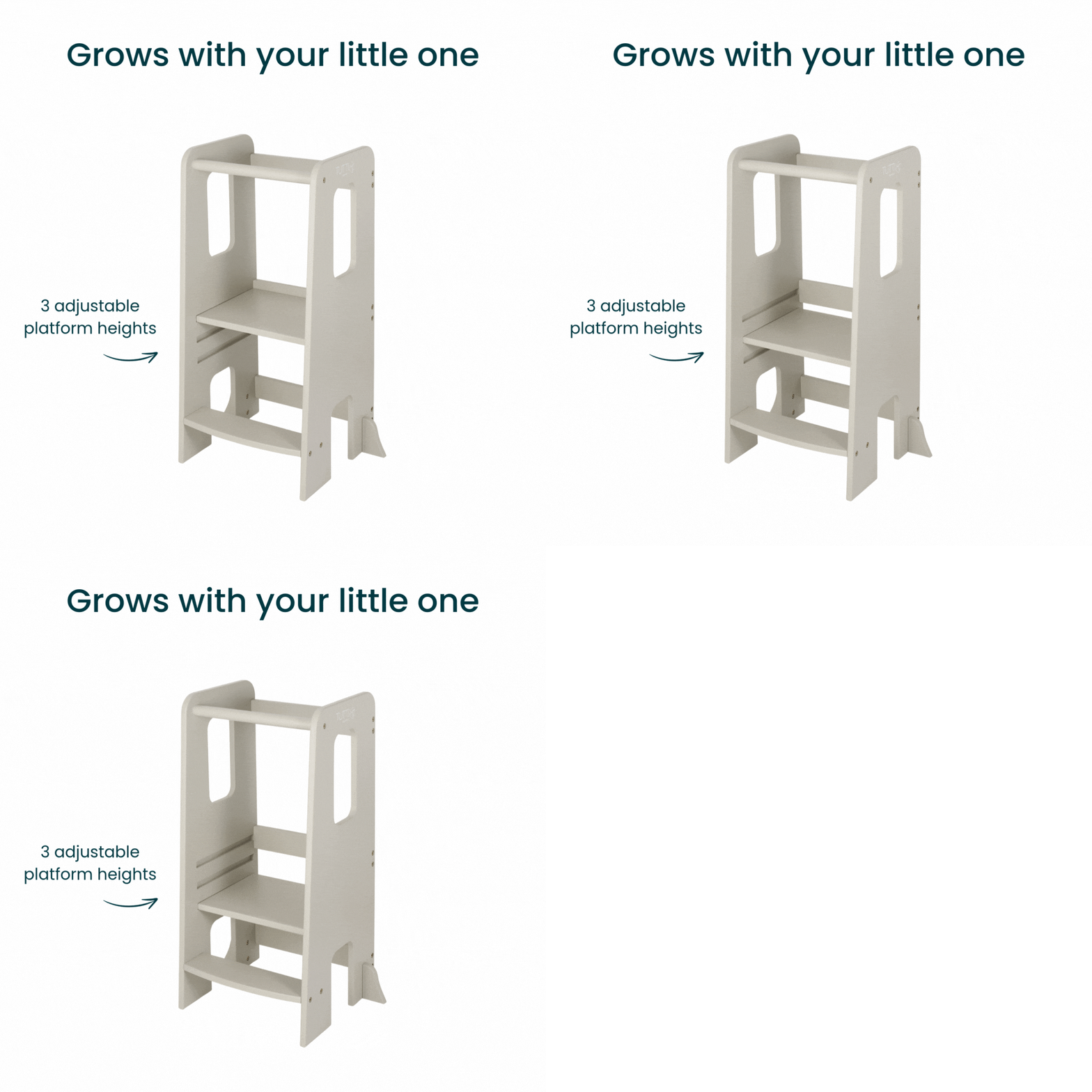
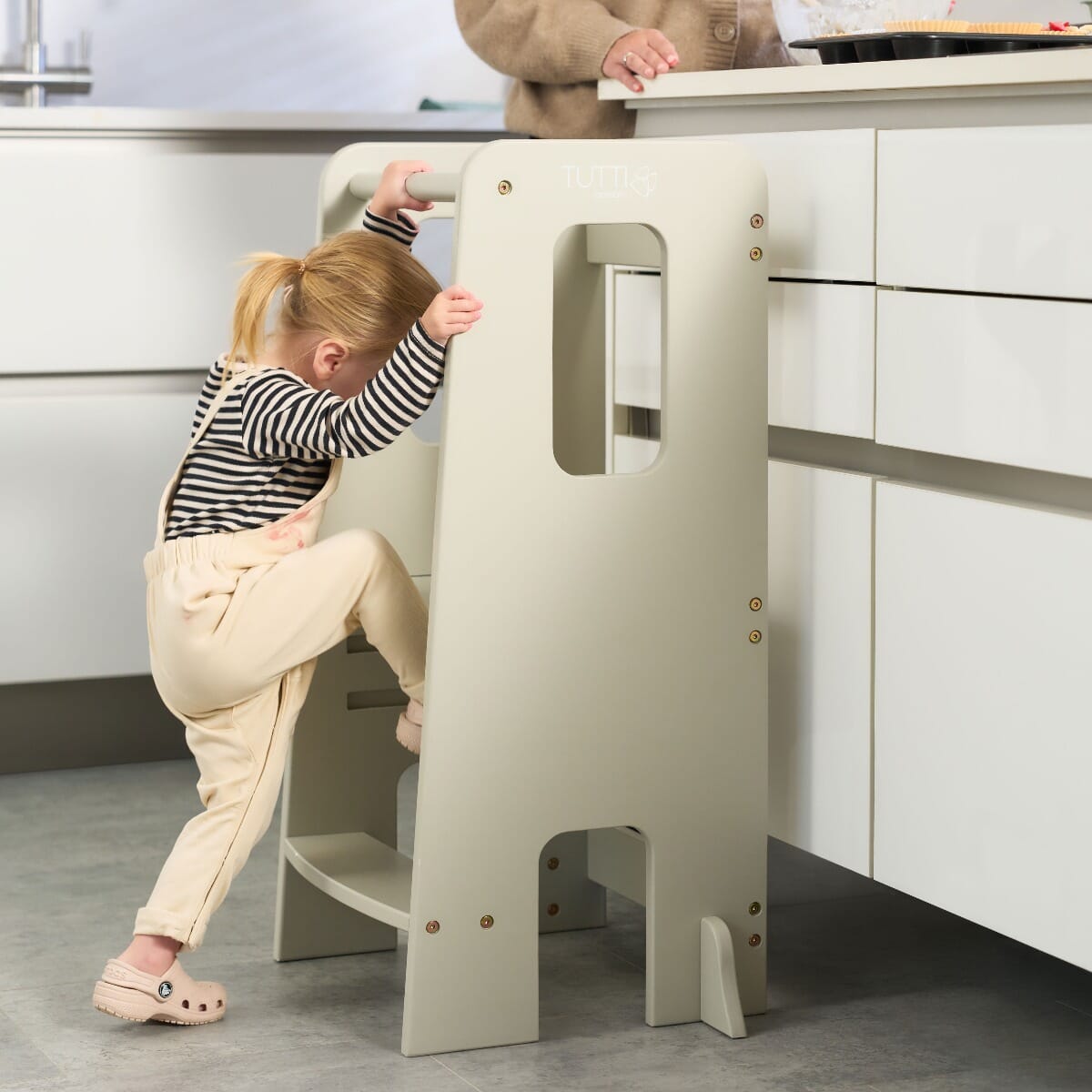
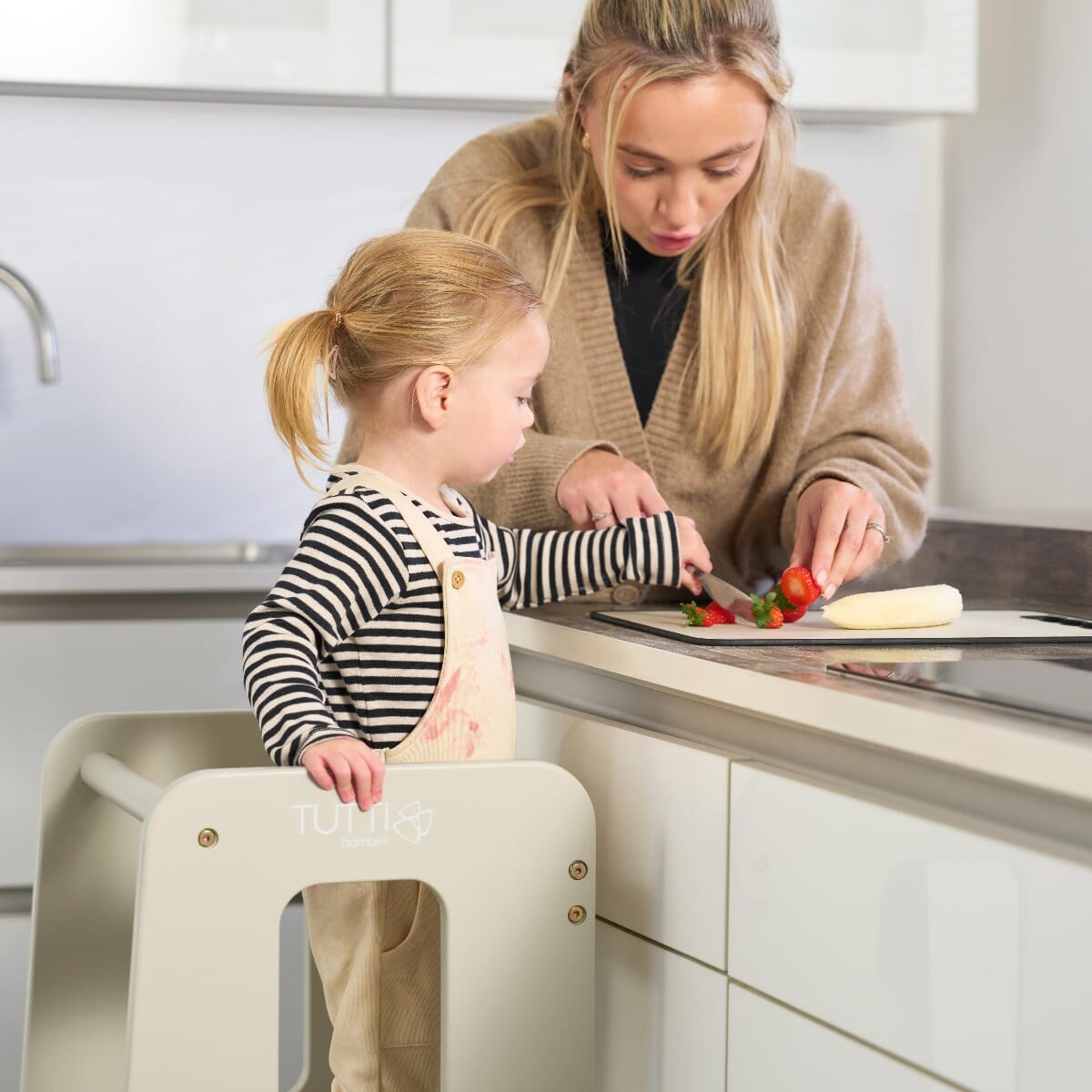
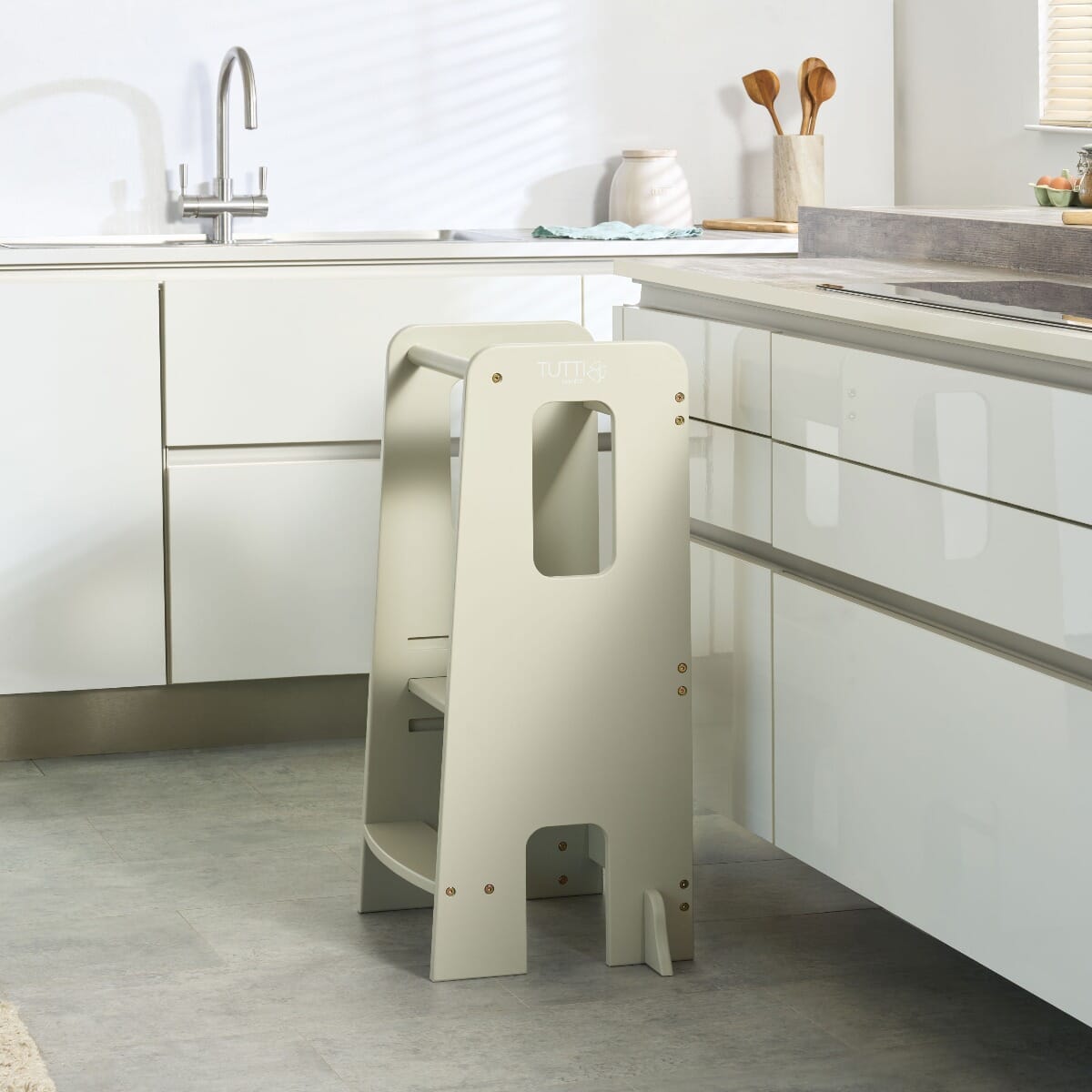
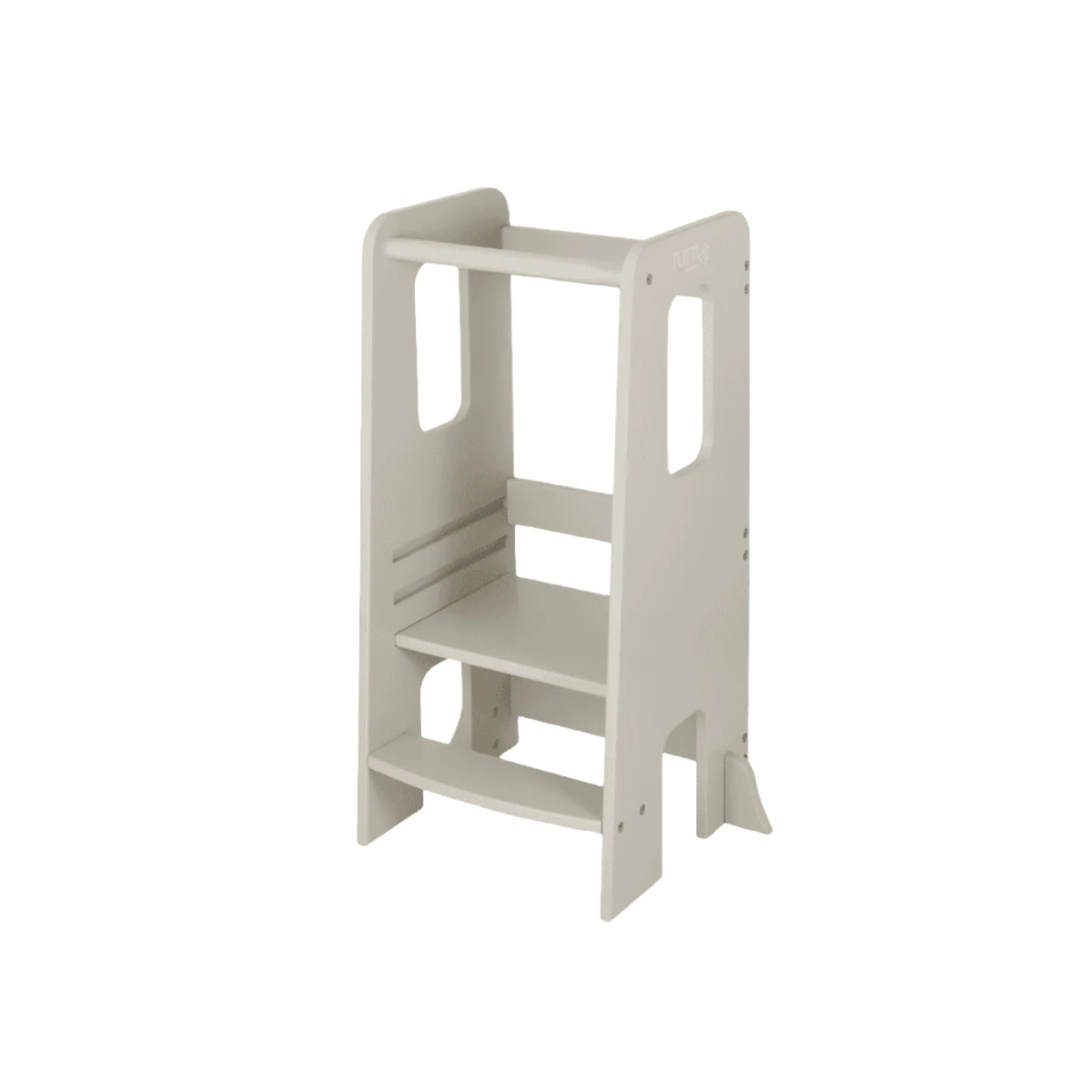
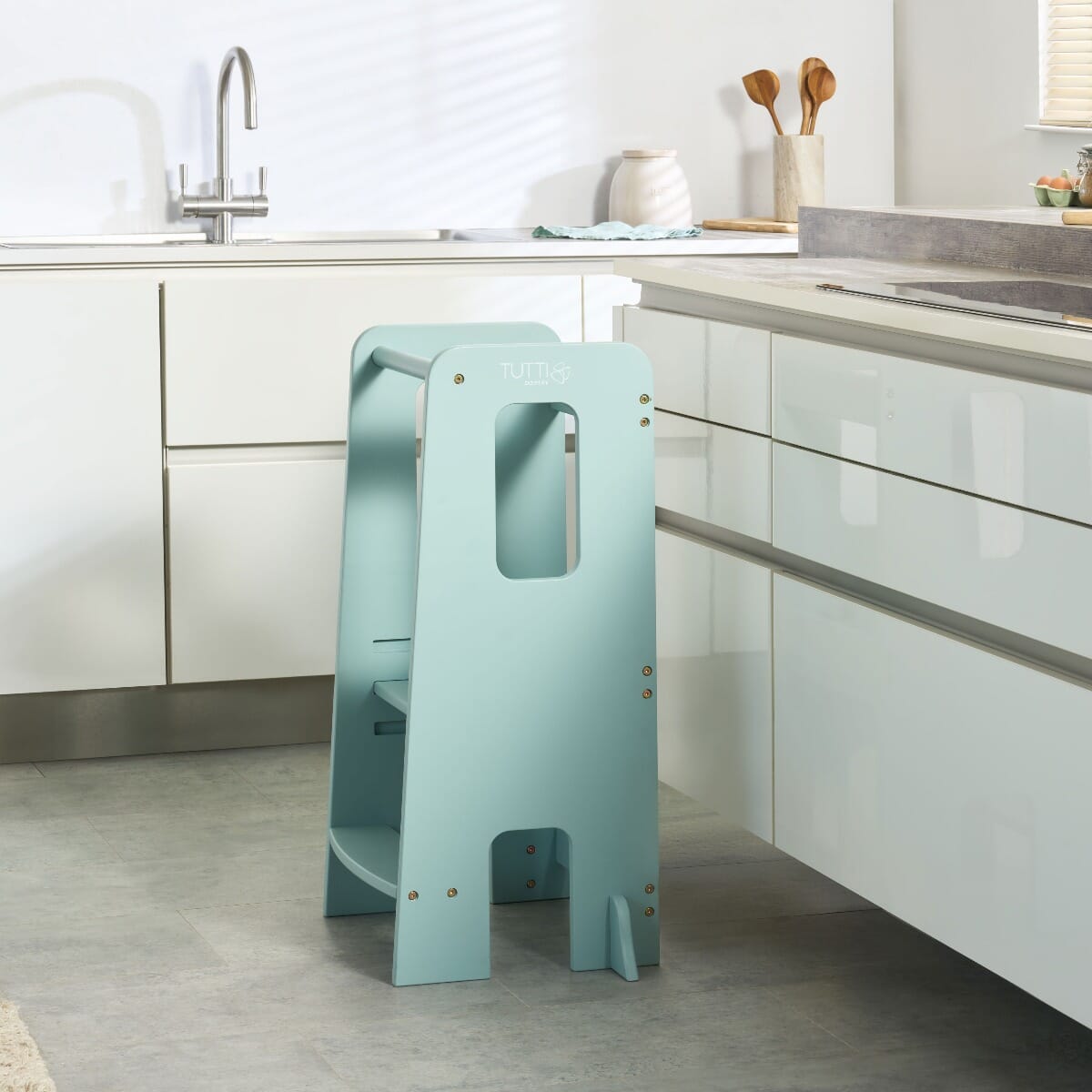
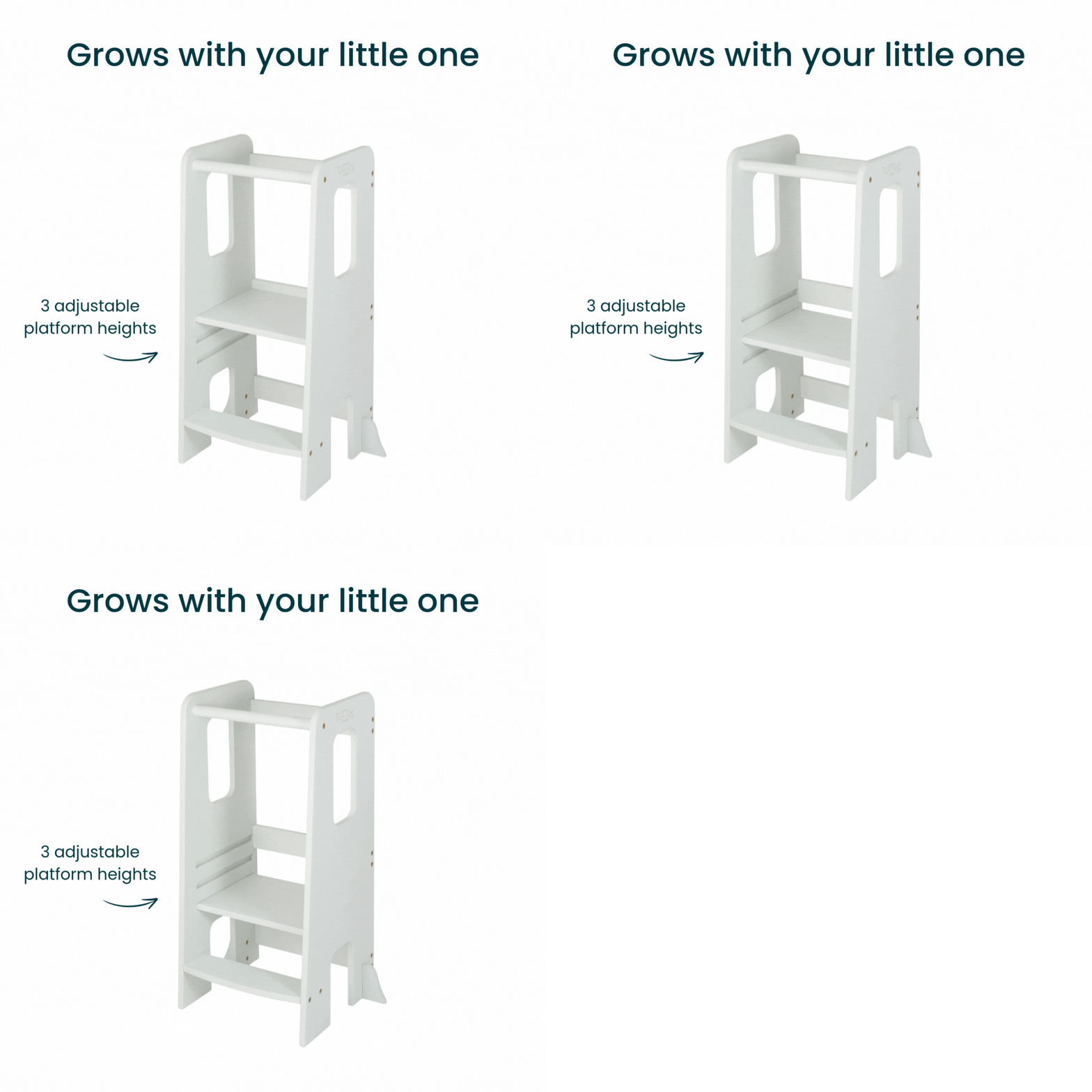
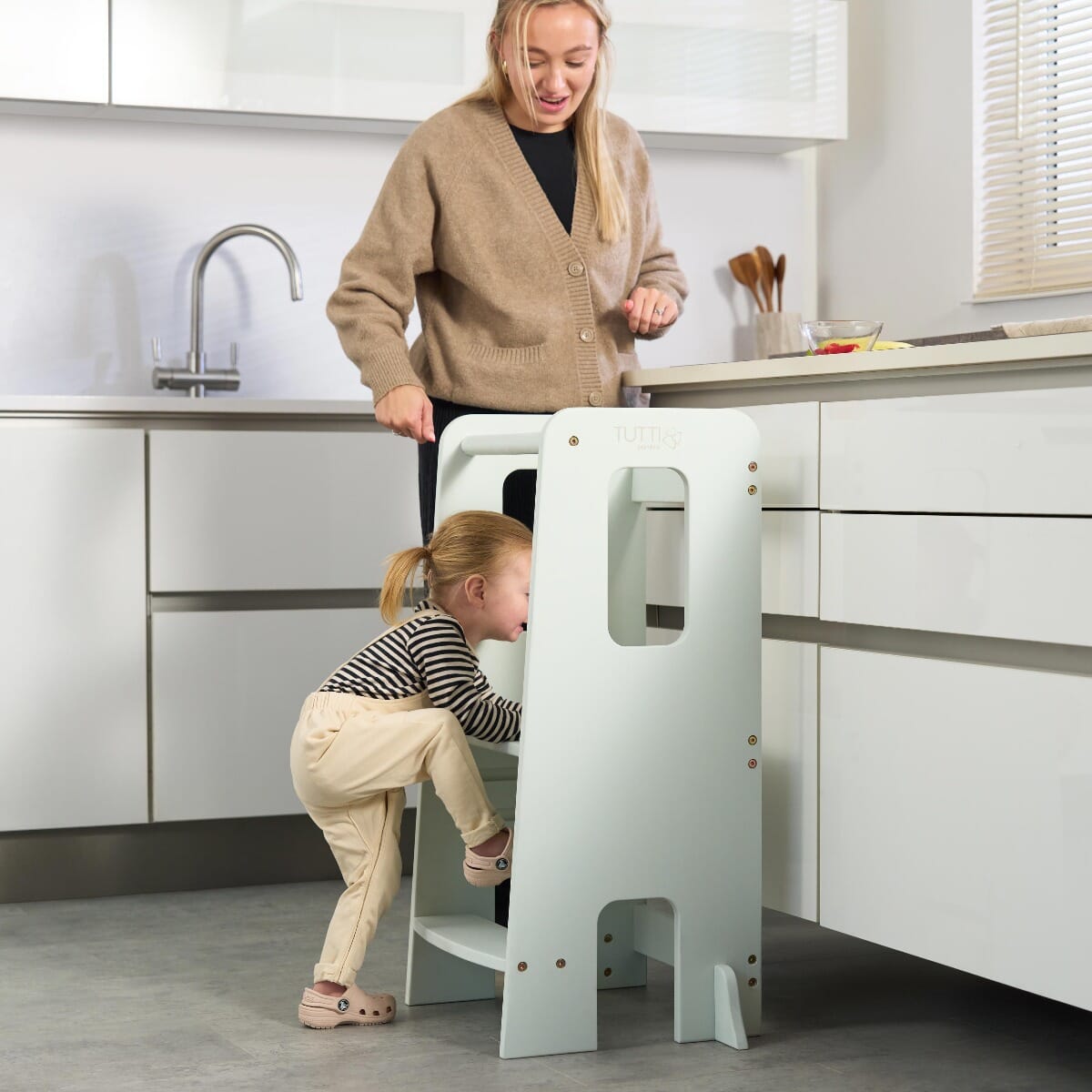
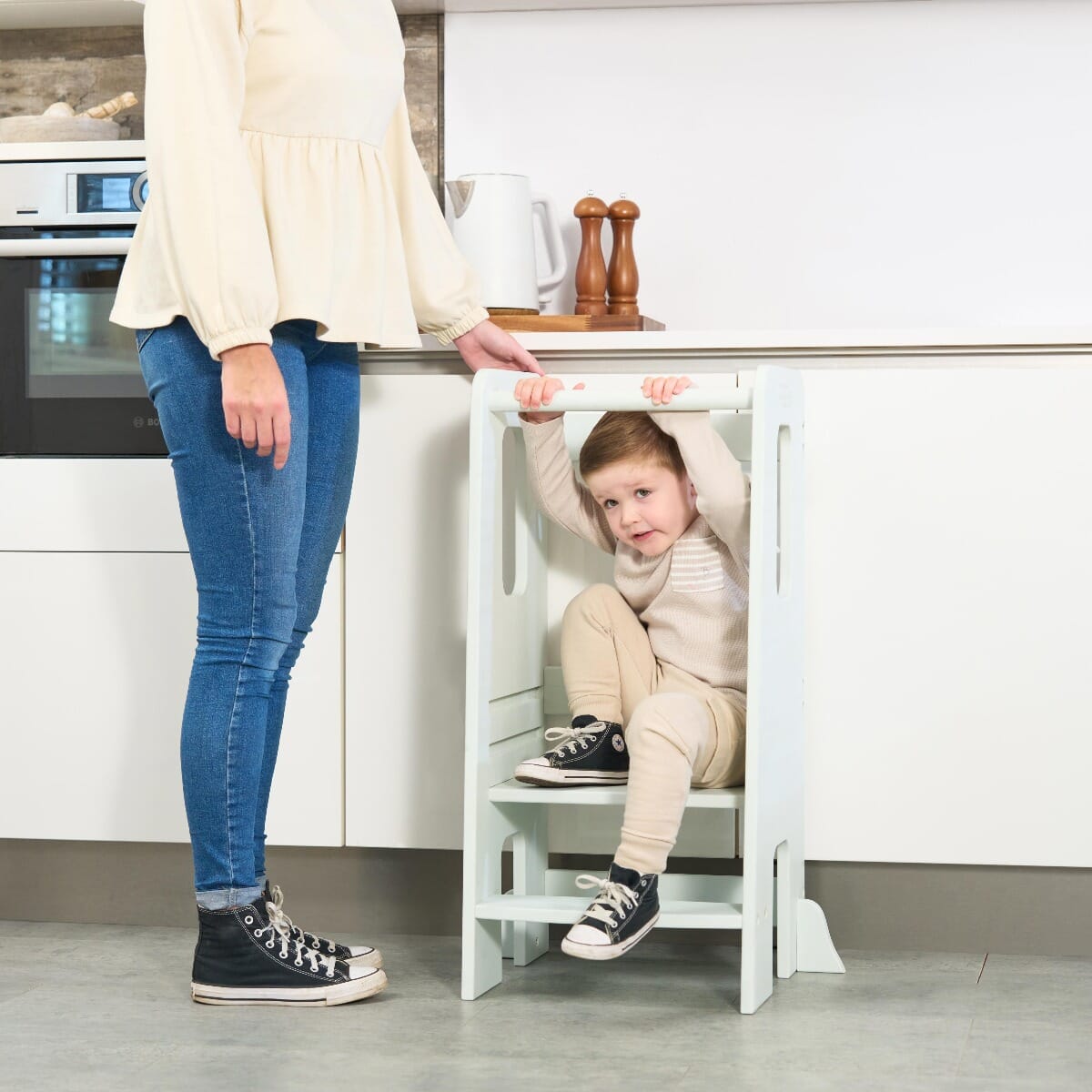
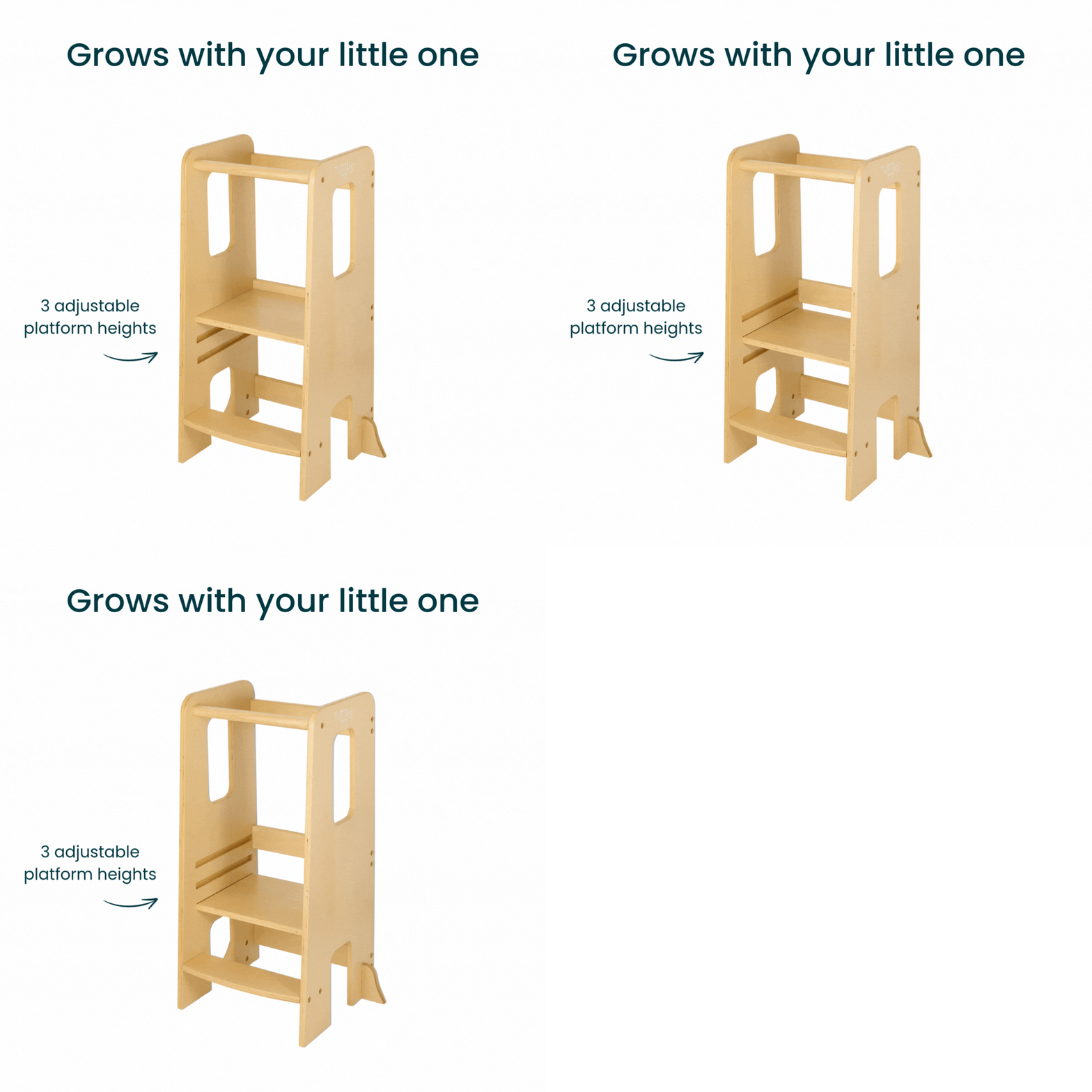
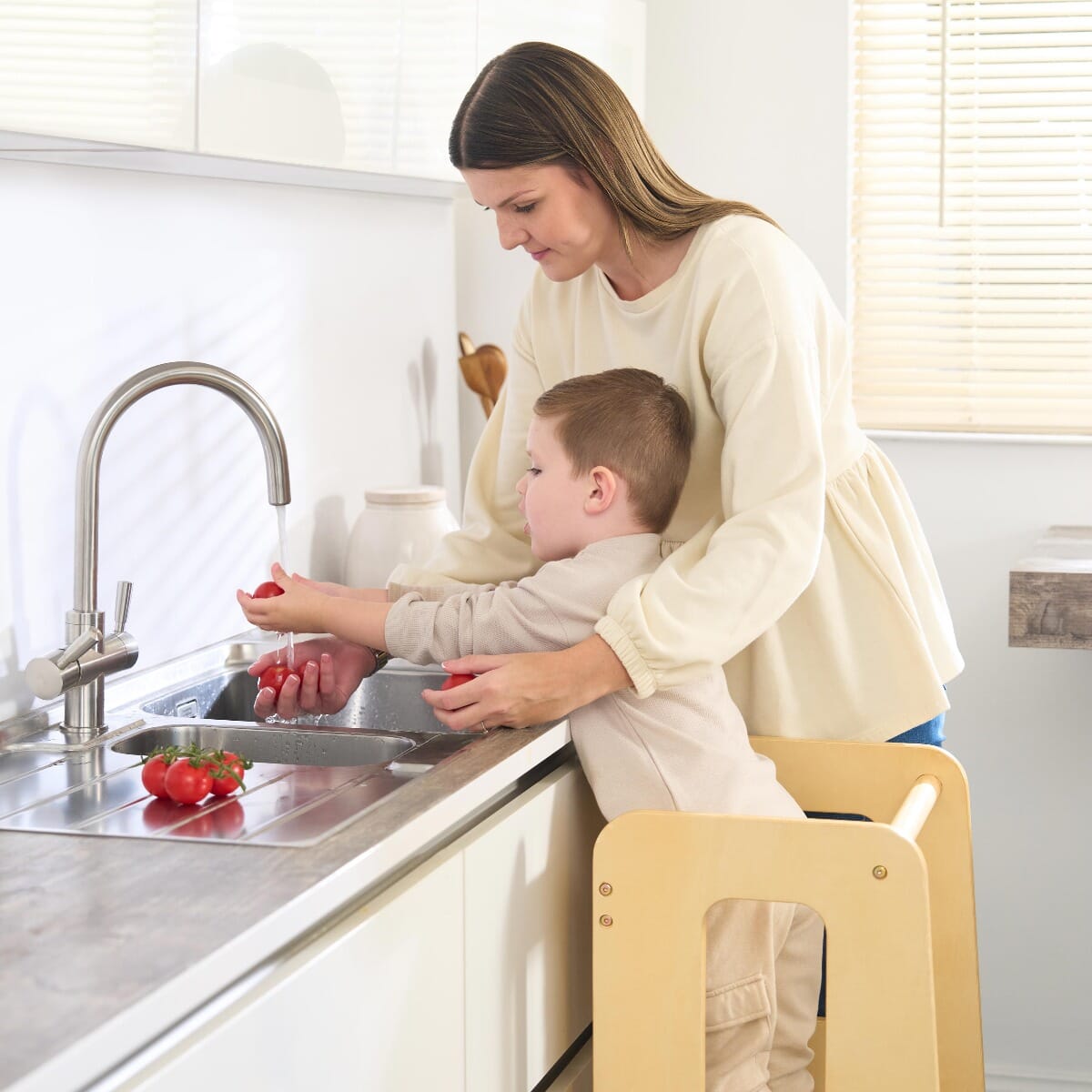
Learning towers have become a familiar sight in many family homes, and for good reason. They offer young children a safe way to join in with everyday moments, from preparing meals to washing hands, without being lifted in and out of arms. Often inspired by Montessori learning towers, this simple idea is rooted in independence, confidence and shared experience. Rather than creating a separate space for children invite them into what is already happening, help everyday routines feel more connected, calmer and more inclusive for the whole family.

Why Learning Towers Support Everyday Independence
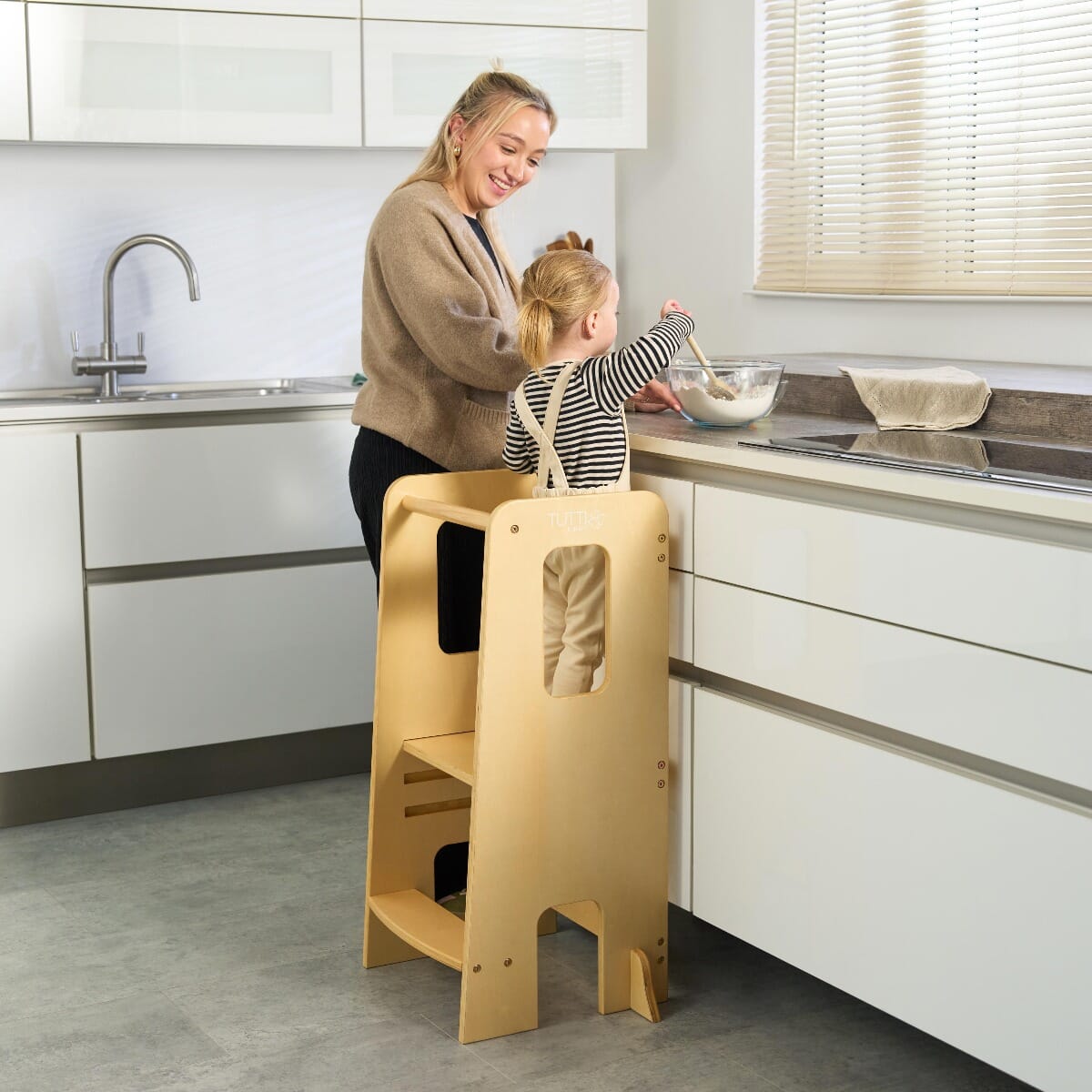
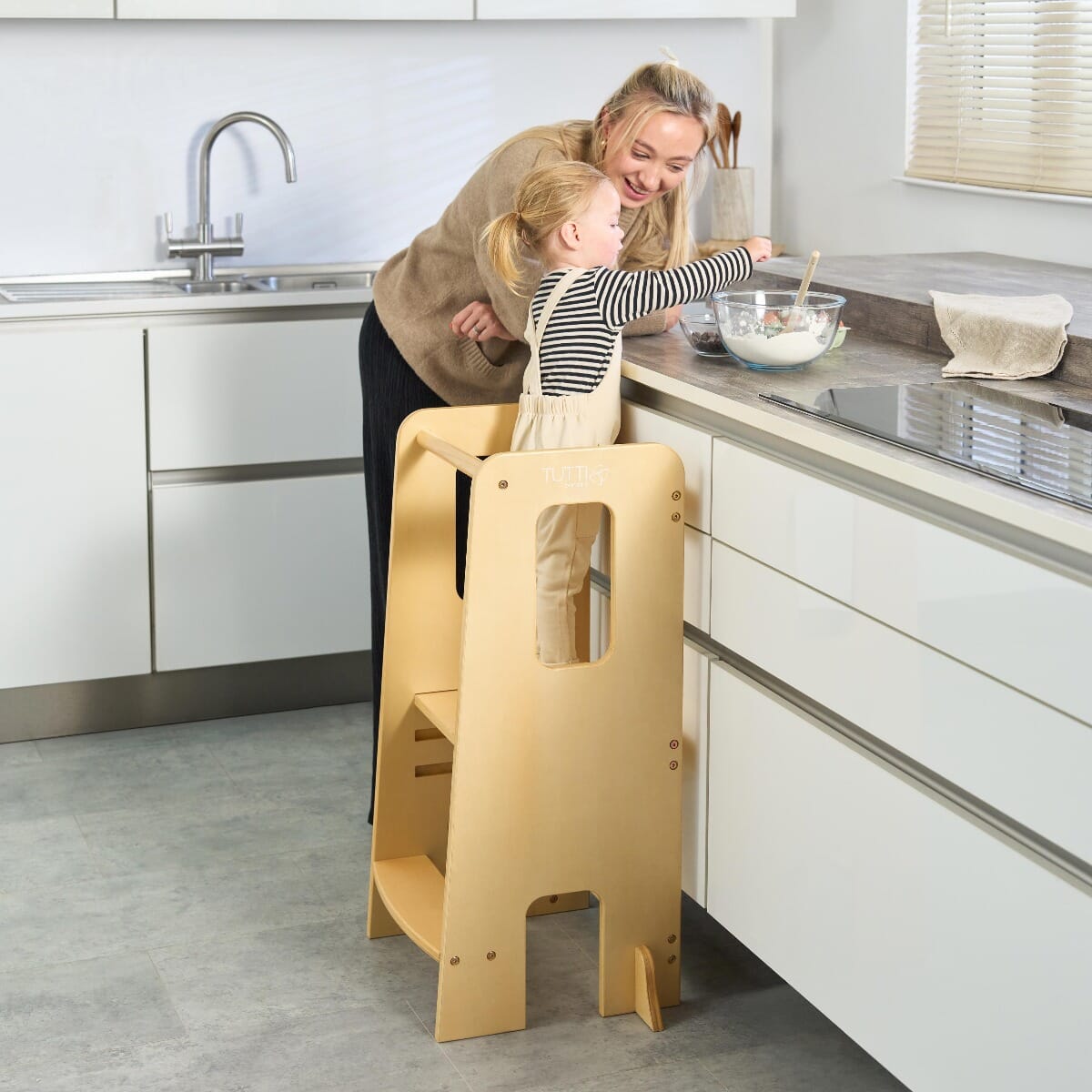
Everyday independence often grows from being included, rather than being taught. Learning towers allow children to stand safely at counter height, where they can observe, copy and gradually take part in familiar tasks at their own pace. This quiet involvement helps build confidence and understanding through shared experience rather than instruction. Over time, these small moments often lead to a growing sense of capability, as children begin to feel part of the rhythm of daily life rather than watching from the sidelines.

Safe Ways Little Ones Can Join In at Home

From Cooking to Crafting, Shared Moments That Matter
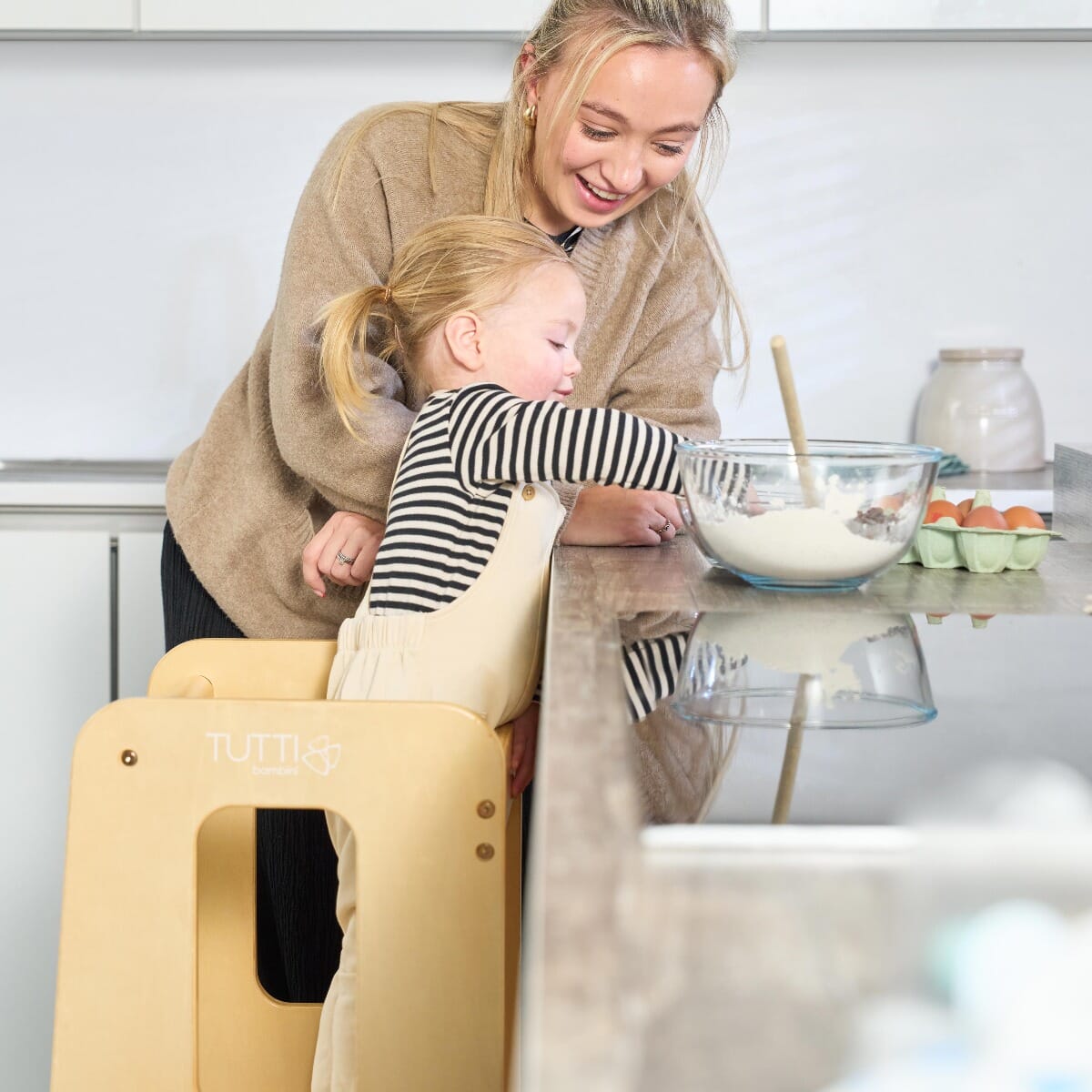
From cooking to crafting, everyday activities often become the moments children remember most. Standing alongside a parent while mixing ingredients, kneading dough or painting at the kitchen counter allows little ones to feel involved in a way that feels meaningful and unhurried. A learning tower helps create space for these shared moments, where conversation flows and curiosity leads the way. Over time, it’s often these simple, repeated experiences that quietly build confidence, creativity and a sense of belonging at home. Browse our full range in the playtime collection below.
A Thoughtful Addition to Calm, Lived In Spaces
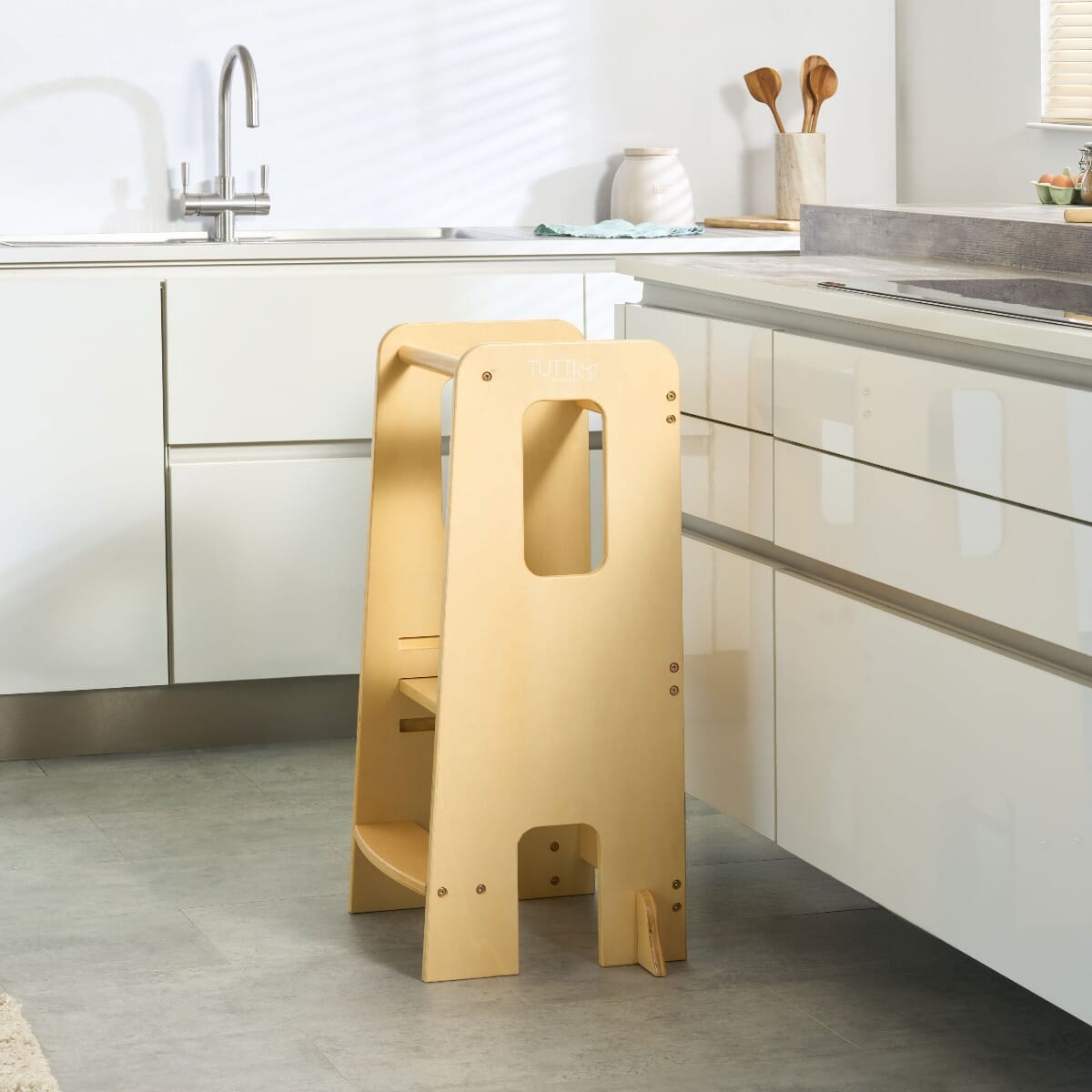
A learning tower can feel like a small addition, but its presence often changes how everyday moments are shared. Designed to blend into calm, lived in spaces, it supports independence without disrupting the flow of family life. By inviting children into familiar routines in a safe and steady way, it helps create an environment where learning happens naturally, through connection, patience and time together.