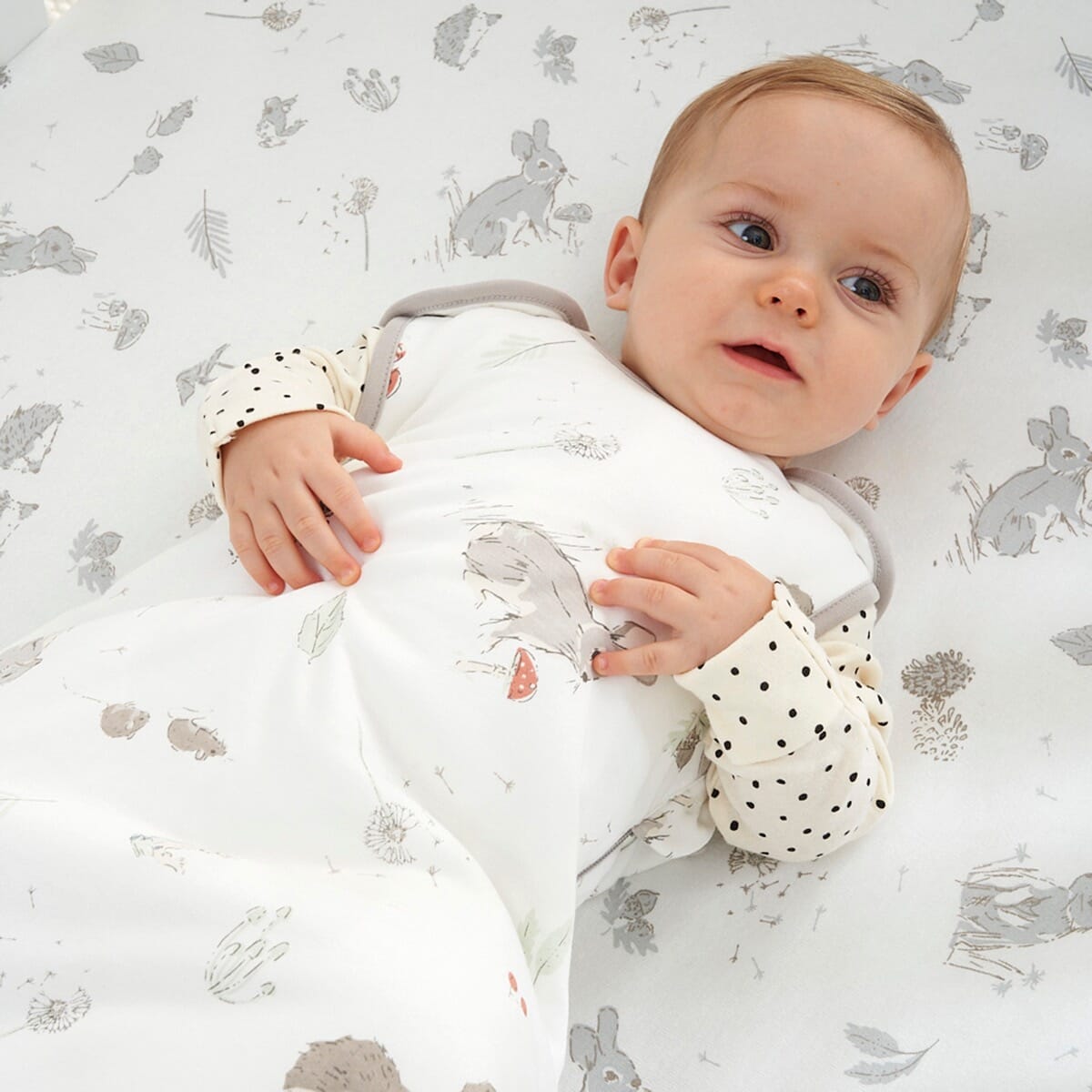
There’s something wonderfully exciting about getting ready for a new baby. The tiny clothes, the freshly decorated nursery, the first little cuddly toy… suddenly, everything feels real.
But preparing for a baby isn’t just about making things look beautiful. The little practical jobs you do before your due date can make those first few weeks feel much easier, especially when you’re tired, recovering and getting used to life with a newborn.
You don’t need to have everything absolutely perfect before your baby arrives. But getting a few key things organised now means there’ll be less to think about later. Here are 10 things you’ll be very glad you did before your baby arrives.

1. Finish the nursery before 36 weeks
It’s tempting to leave those final jobs until the last minute, but having the nursery finished a few weeks before your due date gives you something much more valuable than a beautifully decorated room: peace of mind.
Aim to have painting, decorating and any DIY finished well before your due date, giving the room plenty of time to air and settle. Then you can focus on the enjoyable details: arranging nursery furniture, folding tiny clothes and adding those finishing touches that make the space feel like your baby’s.
If you’re still choosing the main pieces, start with the essentials. A cot bed can become the centrepiece of the nursery, while a changing unit gives you a dedicated place for nappy changes and everyday essentials. The aim isn’t perfection. It’s simply getting to a point where you can walk into the room and think, “We’re ready.”

2. Wash your baby’s first clothes and bedding
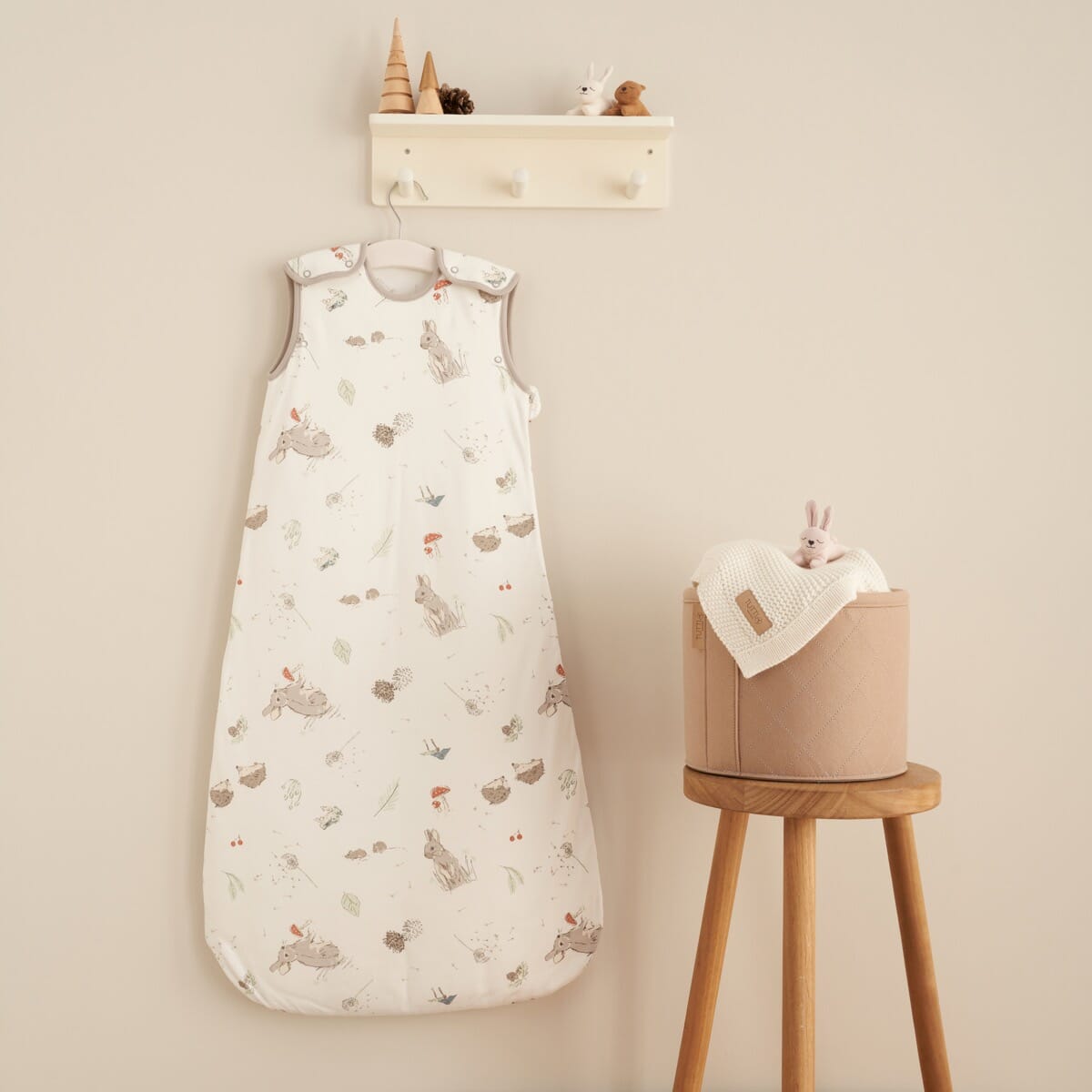
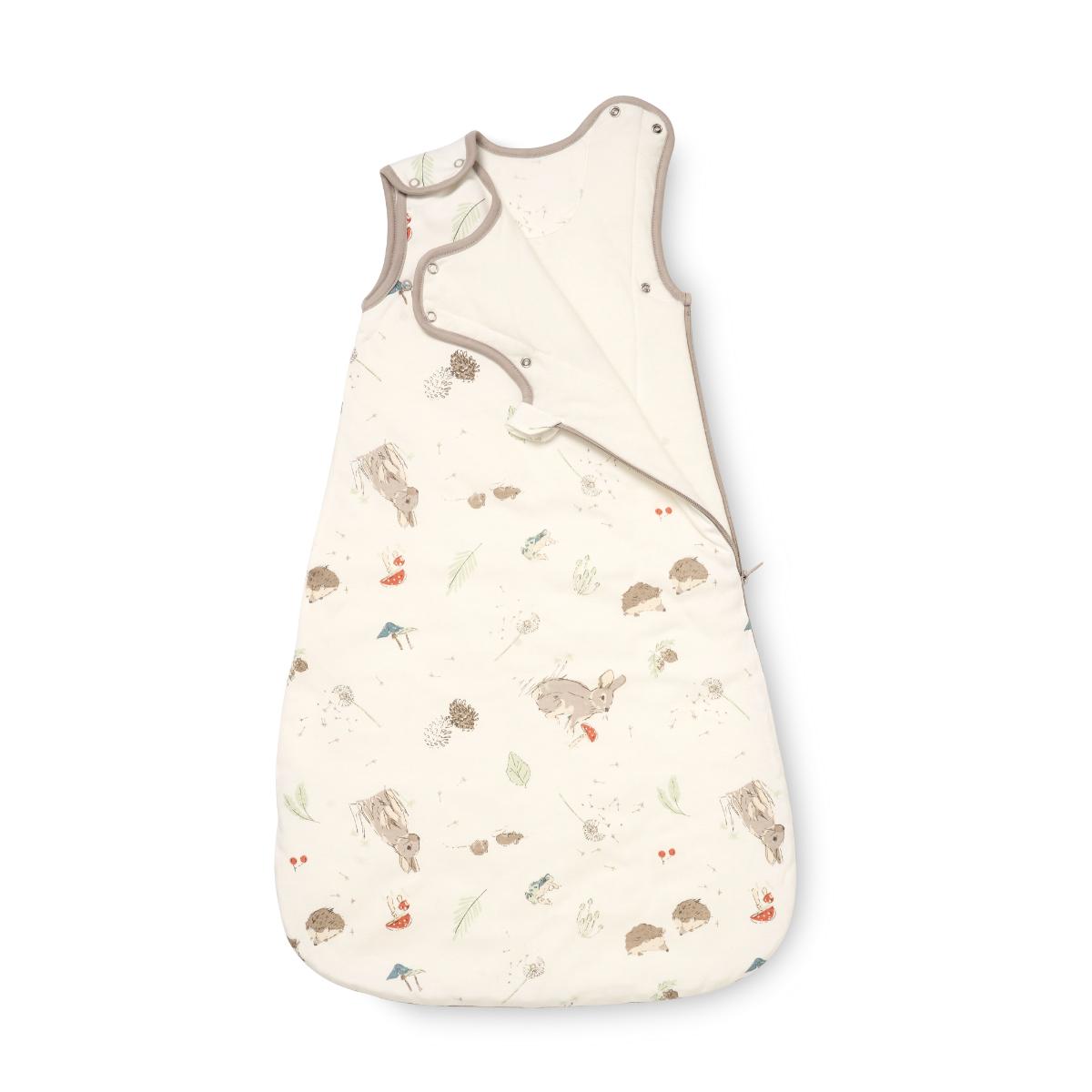
Those tiny sleepsuits might be one of the most exciting things you buy, but don’t leave washing them until after your baby arrives. Wash the clothes, sheets, blankets and other washable essentials you expect to use during those first few weeks. Once everything is clean and dry, fold it away in drawers or storage so it’s ready to grab when you need it.
It’s also a good opportunity to organise clothes by size rather than having every tiny outfit mixed together. Newborn, 0–3 months and larger sizes can be separated so you can find what you need quickly.
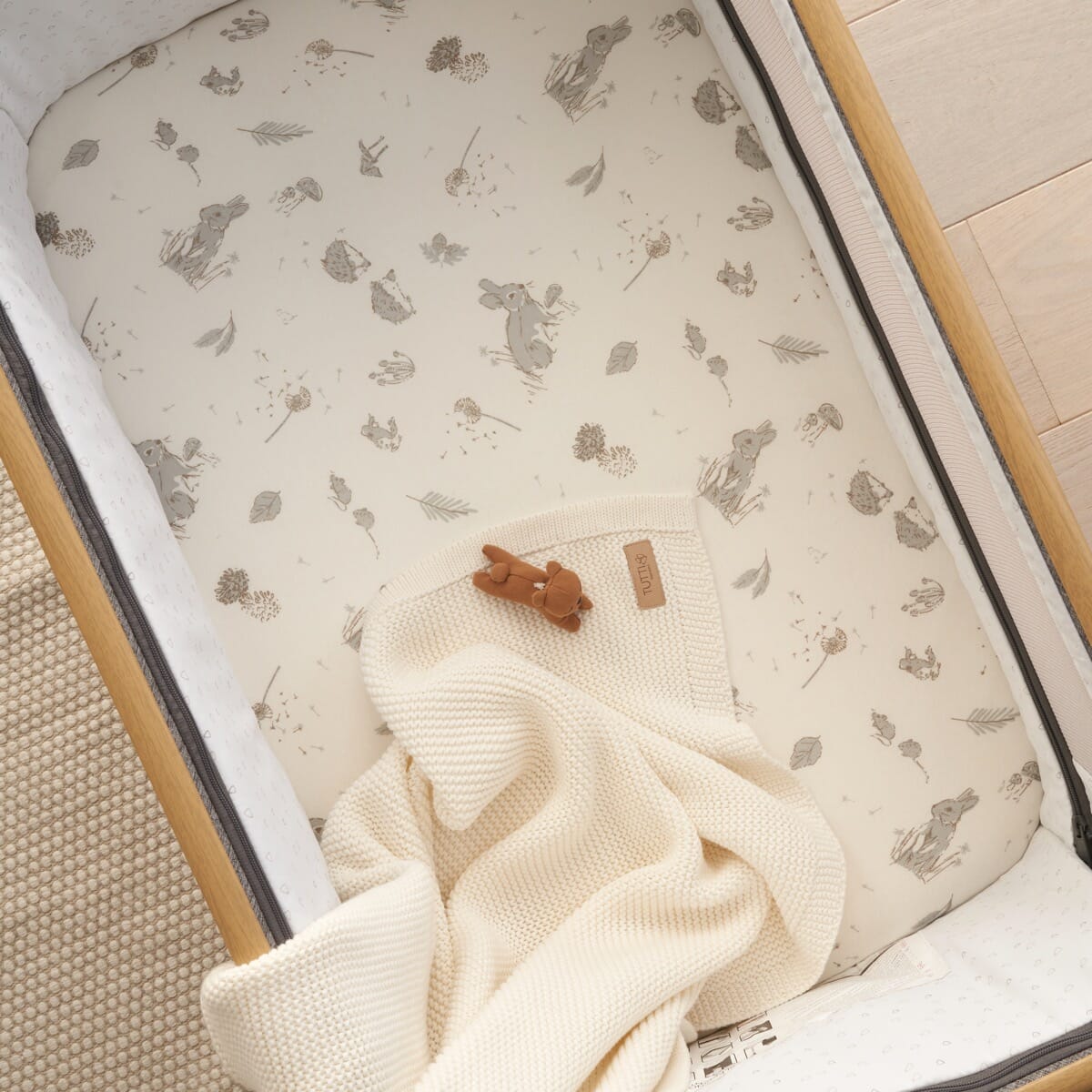
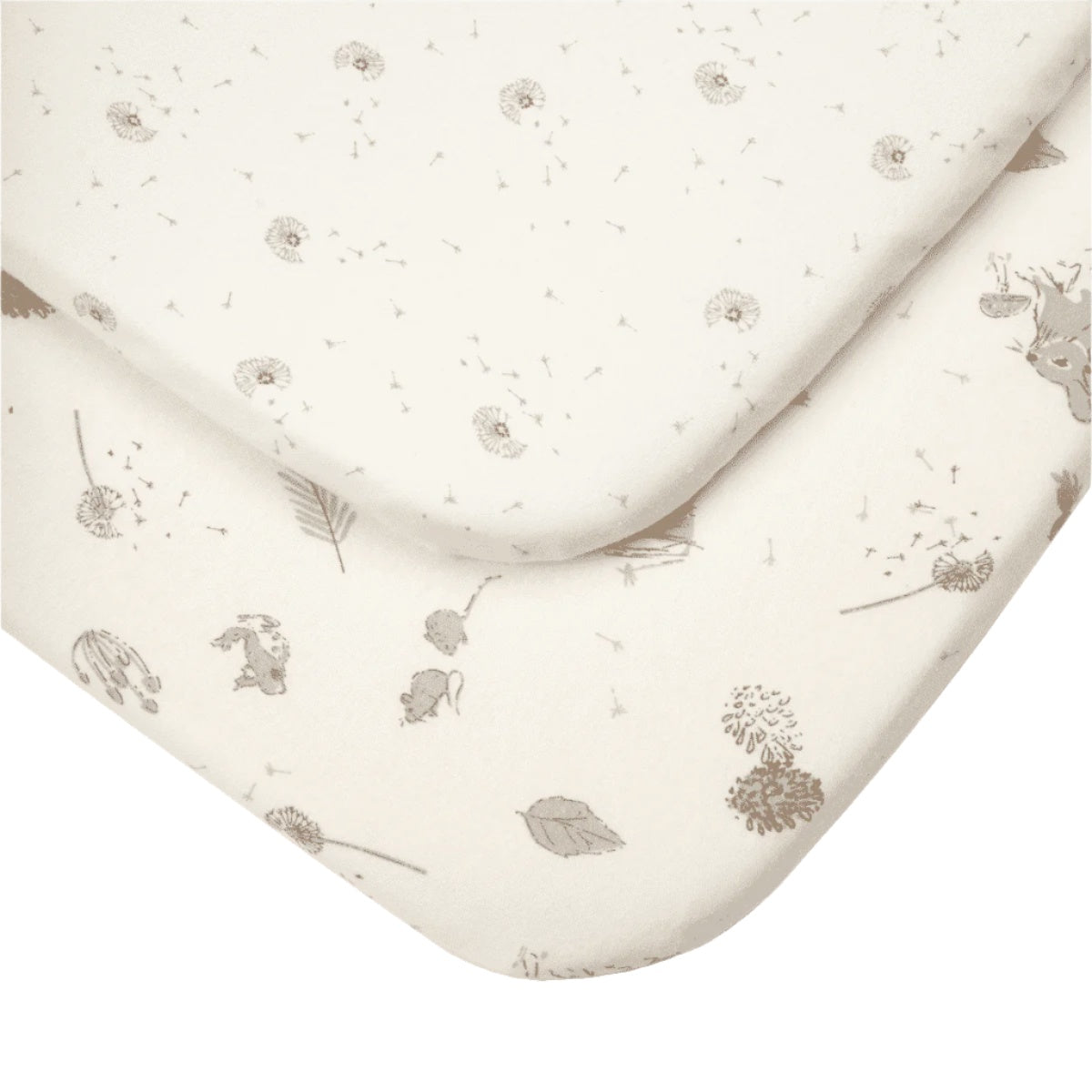
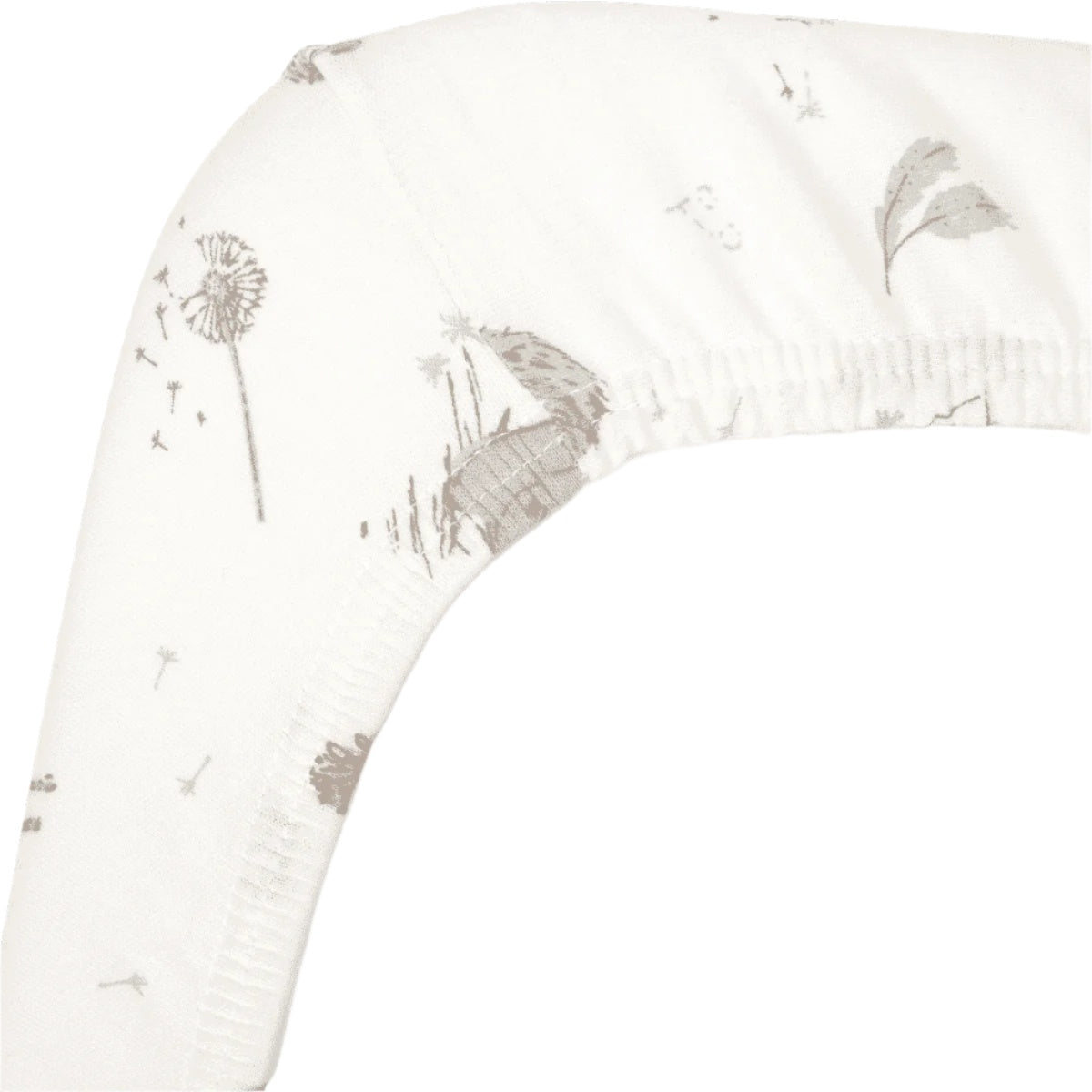
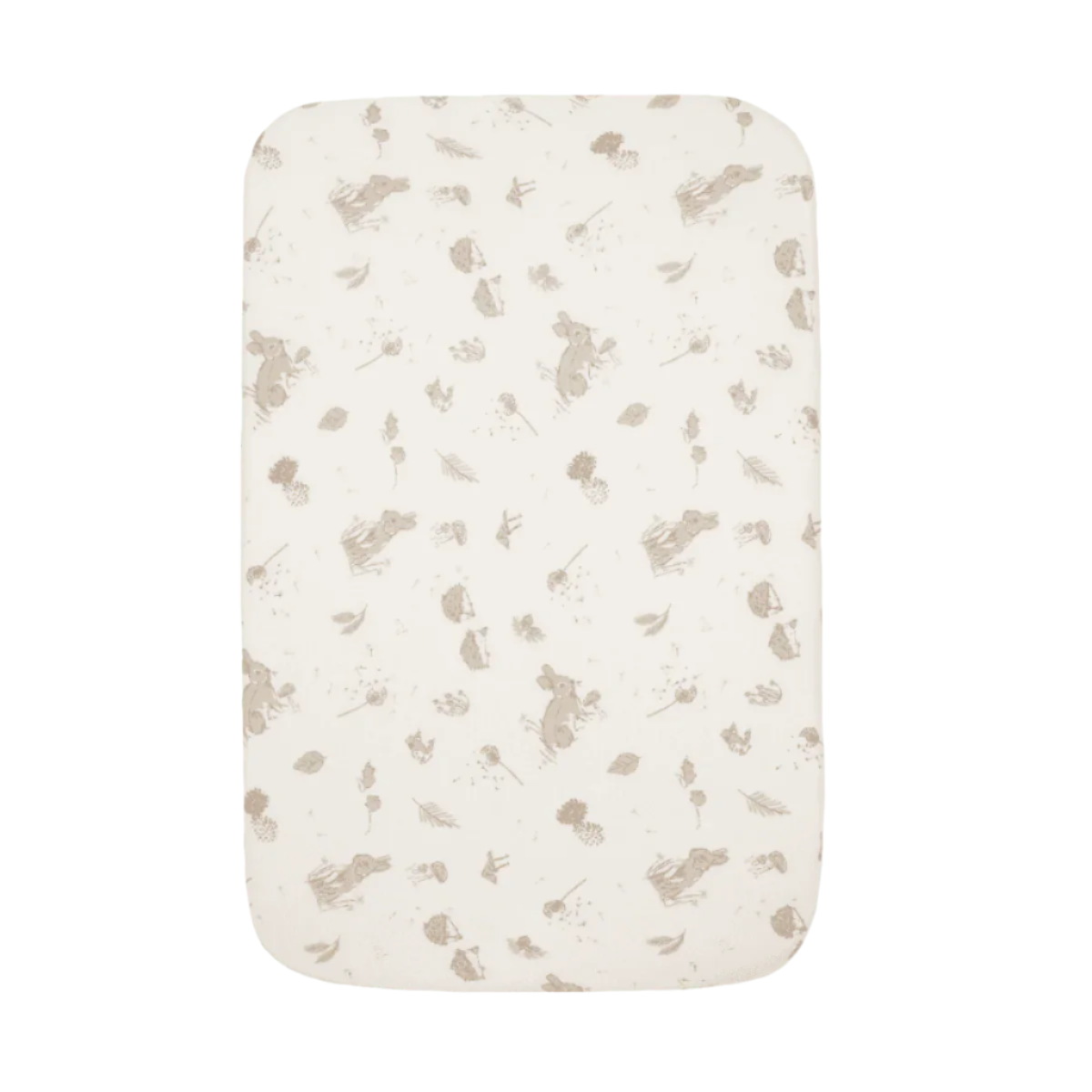
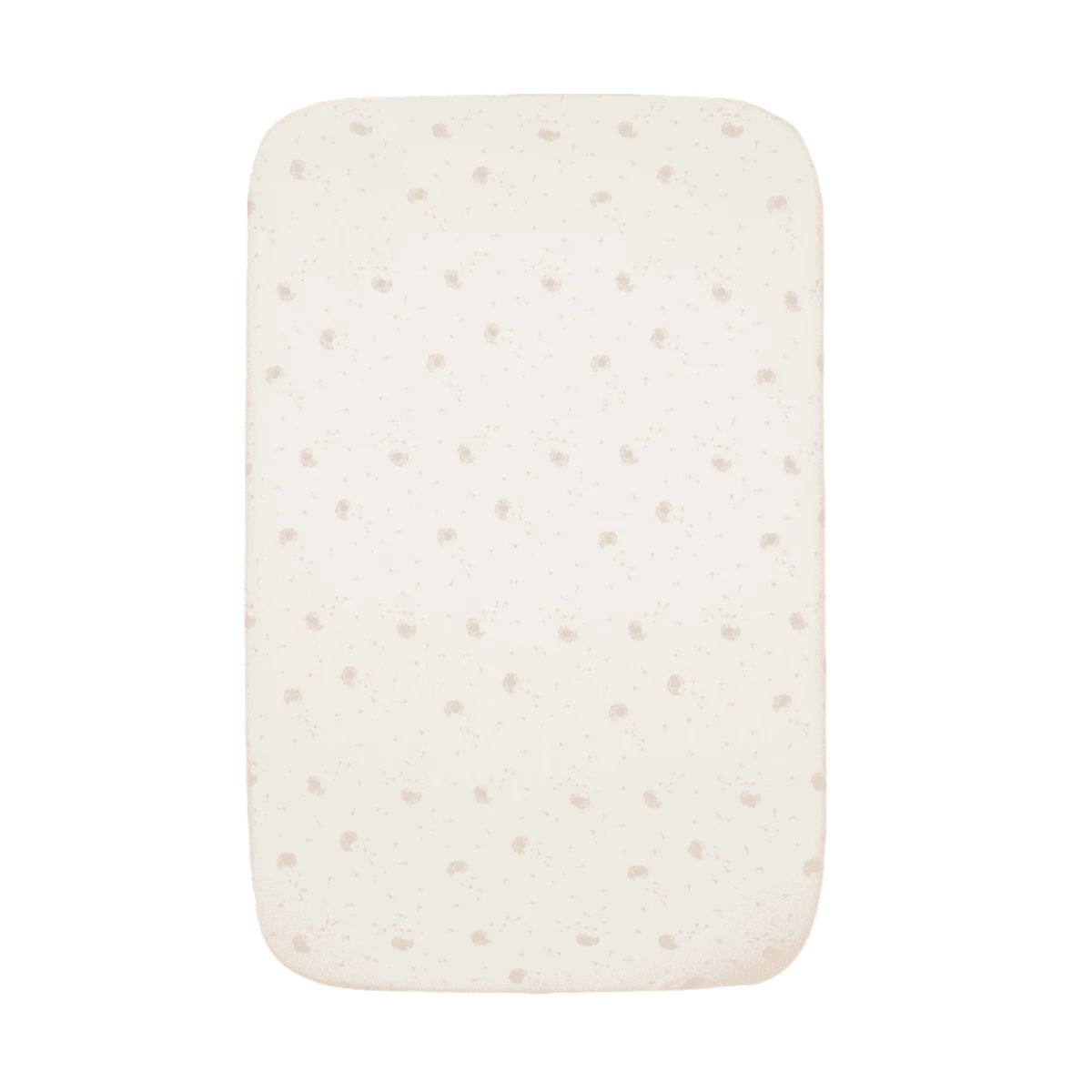
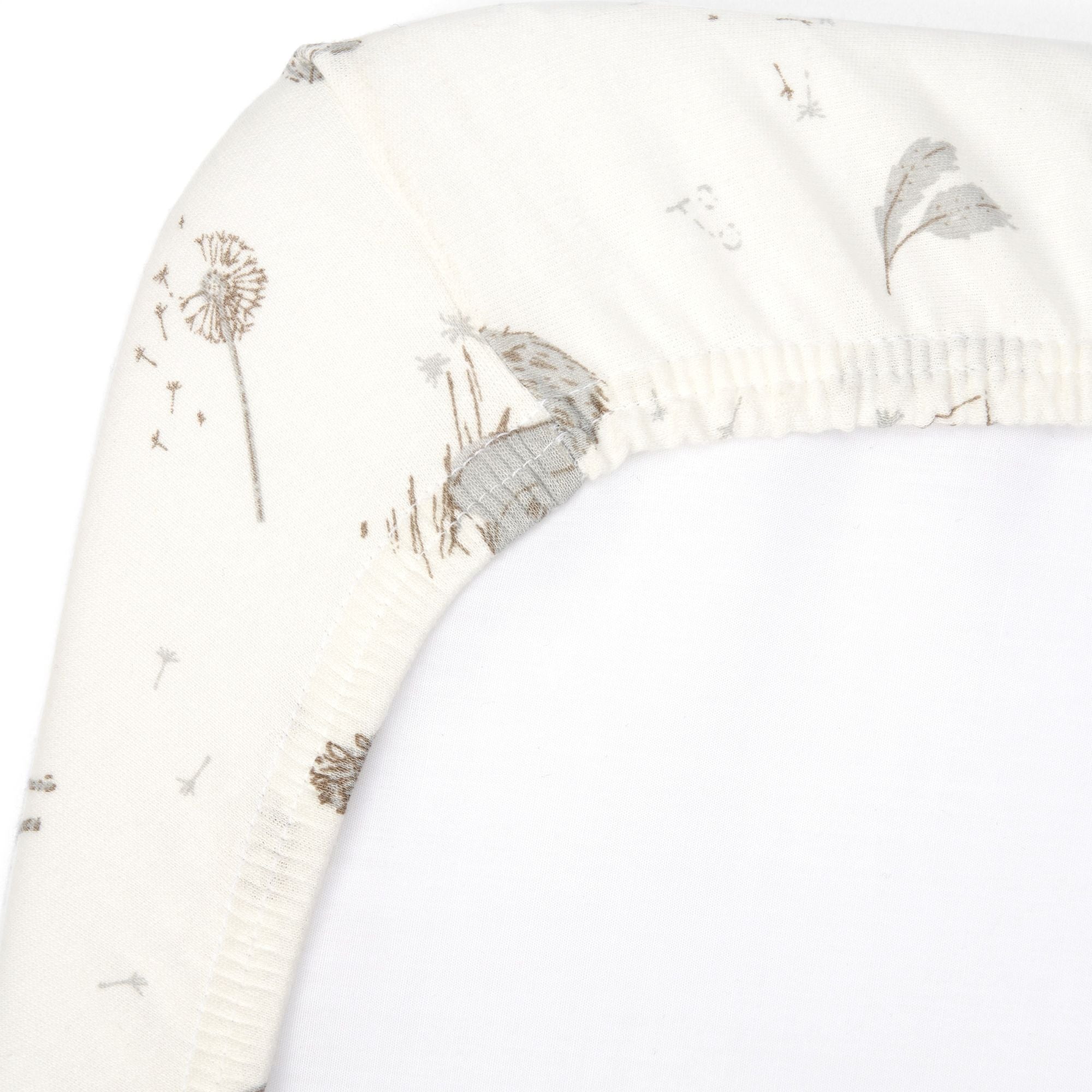
And don’t forget your baby’s sleep space. Whether your baby will start out in a bedside crib or cot, having clean, correctly sized bedding ready means one less job to think about.

3. Assemble the furniture and test everything
Flat-pack furniture has a habit of taking longer than expected, so give yourself plenty of time to assemble everything properly. Put together the cot bed, changing unit, wardrobe and any other furniture well before your due date. Once everything is assembled, check that drawers open smoothly, doors close properly and all fixings are secure. It’s much better to discover that you’re missing a screw or that something needs adjusting while you still have plenty of time.
If you’re setting up a cot bed, this is also the ideal time to make sure you have the right mattress ready. A mattress should fit the cot bed correctly, without gaps, so check the dimensions before making up the sleep space.

4. Set up a feeding station
Whether you plan to breastfeed, bottle-feed, combination feed or simply see how things go, having a comfortable feeding space ready can make a huge difference. Choose somewhere you can sit comfortably for longer periods and keep the essentials within easy reach. Think muslin cloths, water, snacks, feeding supplies and your phone or a book for those quieter moments.
A comfortable nursing chair can become one of the most-used pieces of furniture in your home. From feeds in the middle of the night to daytime cuddles and settling your baby, having somewhere supportive to sit can make those repeated moments much more comfortable.
And remember: you’ll probably spend far more time there than you expect.

5. Organise nappies and changing essentials
The first few weeks can involve a lot of nappy changes, so make them as straightforward as possible. Set up your changing area before your baby arrives and keep everything you’ll regularly need within easy reach. Nappies, wipes or cotton wool, muslins, changing mats and spare clothes are all worth having close by.
A dedicated changing unit can help keep everything organised, but you don’t necessarily need to fill every drawer before your baby arrives. Start with the essentials and leave some space, you’ll quickly discover what you actually reach for most often.
A small basket or caddy can also be useful if you want to create a portable changing station for other rooms in the house.

6. Prepare your bedside sleep space
For many families, the nursery isn’t where the baby will sleep at first. Setting up your own bedside sleep space before your due date means you can come home and settle into those first nights without having to rearrange furniture or search for missing essentials. A CoZee bedside crib can keep your baby close during those early months while giving them their own dedicated sleep space.
Keep your own essentials nearby too, water, snacks, a phone charger, muslins and anything else you might need during a night feed. The goal is simple: make nighttime as easy as possible.
7. Stock the freezer with meals
This might not be the most glamorous preparation on the list, but future-you will be grateful. Cooking several meals before your baby arrives means you’ll have something quick and comforting to eat when cooking feels like the last thing you want to do.
Think easy-to-reheat meals such as pasta bakes, soups, curries, casseroles and homemade portions of your favourite comfort foods. You can also freeze bread, snacks and other everyday essentials.
Don’t feel like you need to fill the entire freezer. Even having a handful of meals ready can make those first few weeks easier. And if friends or family ask how they can help, “bring us dinner” is a perfectly good answer.
8. Install the car seat before your due date
This is one job you definitely don’t want to leave until the day you go into labour. Make sure your baby’s car seat is installed correctly and that you’re comfortable using it before your due date. If possible, give yourself time to read the instructions, practise securing the seat and check that everything is fitted as it should be.
It’s worth doing a trial run, too. Get in the car, check you know how everything works and make sure you have the route to wherever you’re likely to be going after birth. That way, when it’s time to bring your baby home, you’re not trying to work out the car seat for the first time.
9. Pack your hospital bag
You might not know exactly when you’ll need it, but having your hospital bag packed means you can stop thinking about it. Aim to have it ready a few weeks before your due date and keep it somewhere easy to find.
For you, that might include comfortable clothes, toiletries, maternity pads, snacks, a water bottle, chargers and anything else that will help you feel more comfortable. For your baby, pack a few sleepsuits, nappies, muslin cloths and suitable clothing for going home.
And remember to leave a little room for the things you’ll inevitably add at the last minute.
10. Take time to enjoy the nursery before your baby arrives
Of all the things on this list, this might be the one you’re most likely to overlook. Once everything is assembled, washed, organised and ready, stop.
Sit in the nursery. Take it in.
You’ve spent months preparing for this little person, and soon the room will be filled with cuddles, feeds, nappy changes, sleepy mornings and probably a fair amount of chaos.
Enjoy the calm while it lasts.
Whether you’re sitting in your nursing chair, organising the final few bits of nursery storage, or simply looking at the cot you’ve chosen, give yourself a moment to appreciate how much is about to change.

Ready enough is ready
Preparing for a baby can quickly turn into a long list of things you feel you should have done. But you don’t need a perfect nursery, a perfectly stocked freezer or every possible baby product before your little one arrives. Focus on the things that will make everyday life easier.
Get the important jobs done, make your sleep and feeding spaces comfortable, organise the essentials and then give yourself permission to stop preparing for a while. Because before long, the nursery you’ve been getting ready will have a very important new arrival in it.