As parents, it's natural to want to be involved in every milestone. We read bedtime stories, build towers together, cheer on first steps and celebrate every new achievement. But some of the most valuable learning moments happen when we take a small step back and let our little ones take the lead.
Independent play isn't about leaving children to entertain themselves for hours on end. Instead, it's about giving them the opportunity to explore, create, solve problems and discover the world in their own way, knowing you're close by if they need you.
In today's busy world, where schedules are often packed and screens can easily fill quiet moments, creating opportunities for child-led play has never been more important. Not only does it encourage creativity and confidence, but it also supports physical, emotional and cognitive development in ways that structured activities simply can't replicate.
Here's why independent play deserves a place in every family's daily routine.
What is independent play?
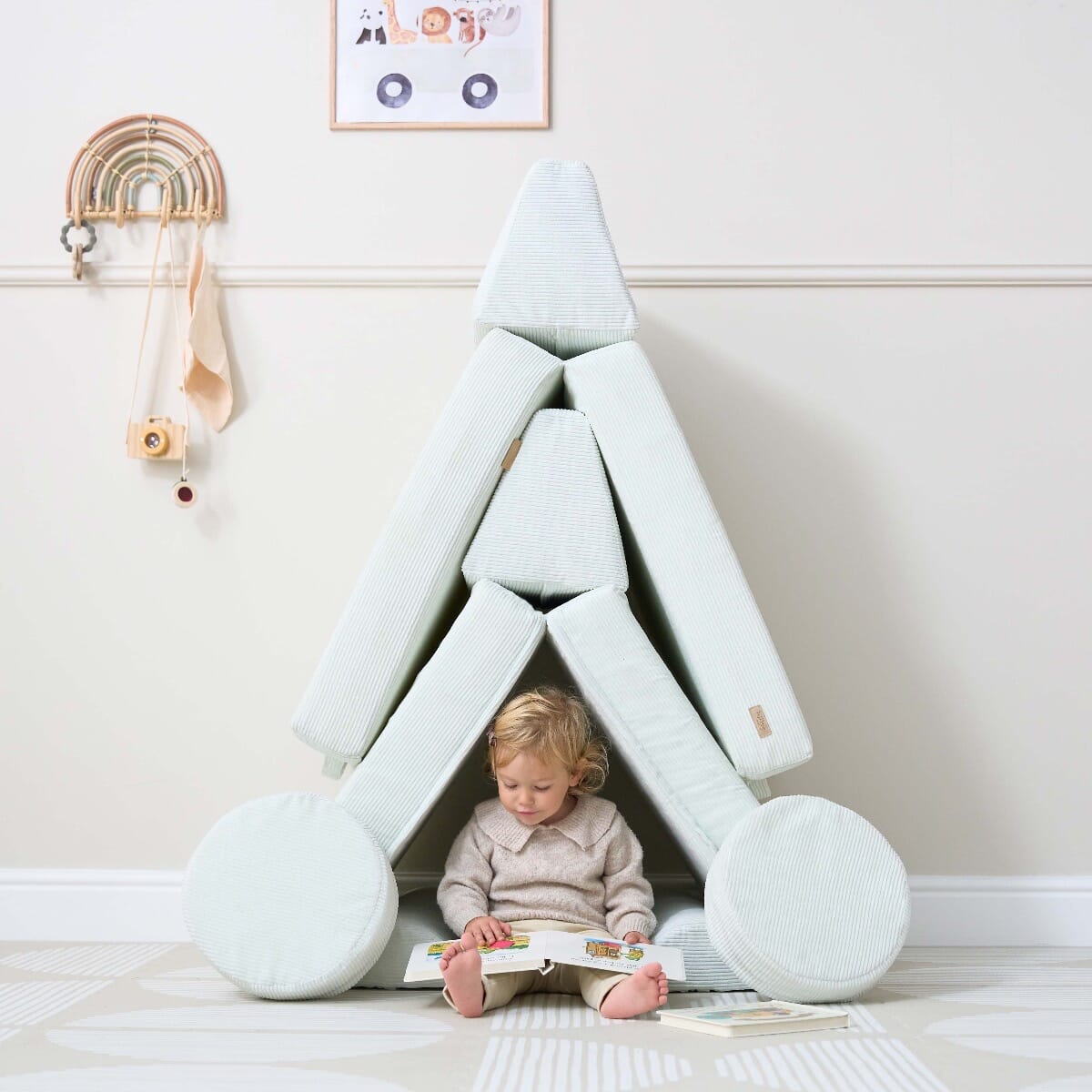
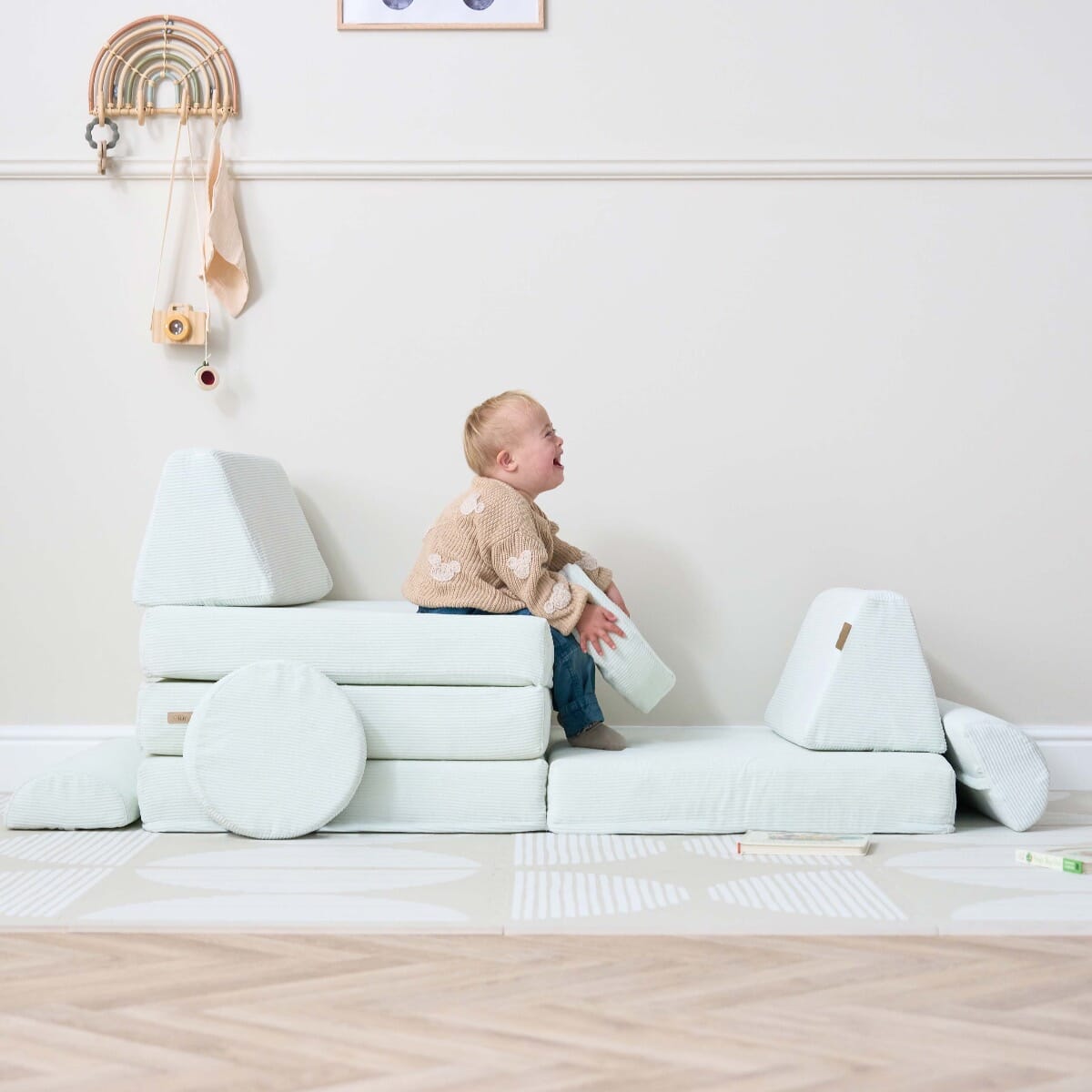
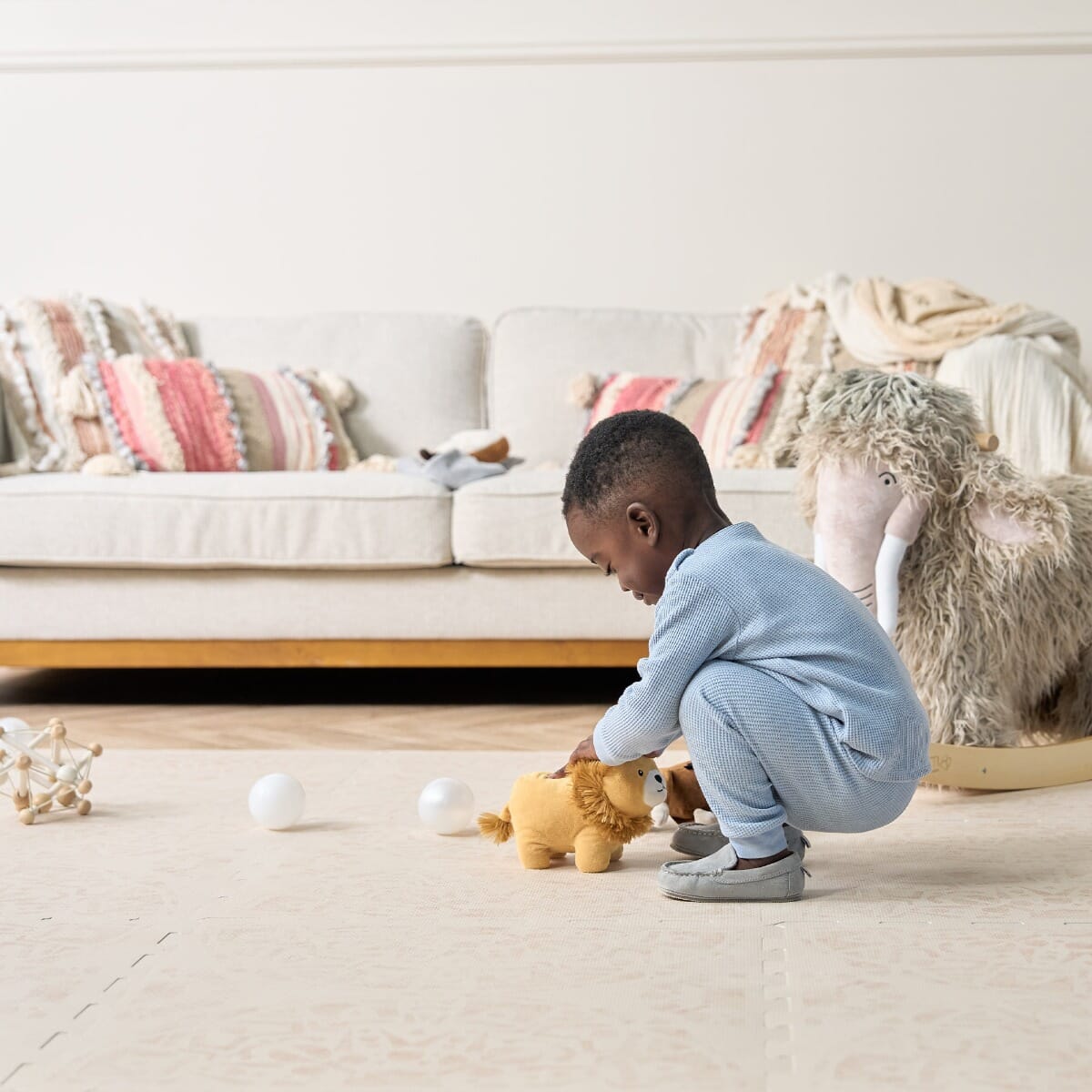
Independent play is exactly what it sounds like: time spent playing without direct instruction or involvement from an adult. Whether your toddler is stacking blocks, climbing, pretending to run a café or building a den from sofa cushions, they're making their own decisions and leading the experience.
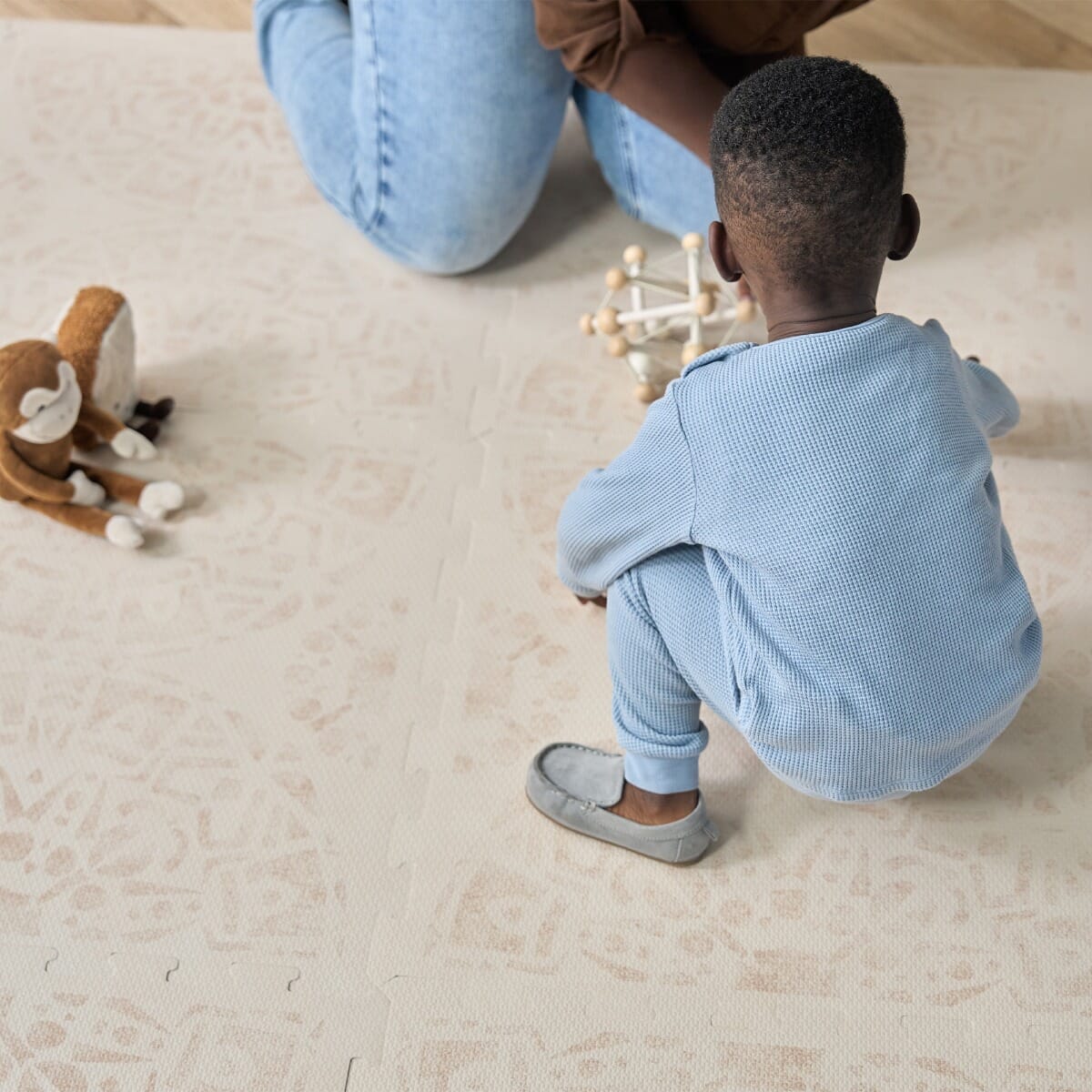
This doesn't mean children are left completely alone. Independent play works best when little ones feel secure, knowing a trusted adult is nearby while allowing them the freedom to explore at their own pace. The goal isn't perfection or following rules. It's curiosity, imagination and discovery.

Why independent play matters
Play is often described as the work of childhood, and for good reason. During play, children are constantly developing skills they'll use throughout their lives.
It builds confidence
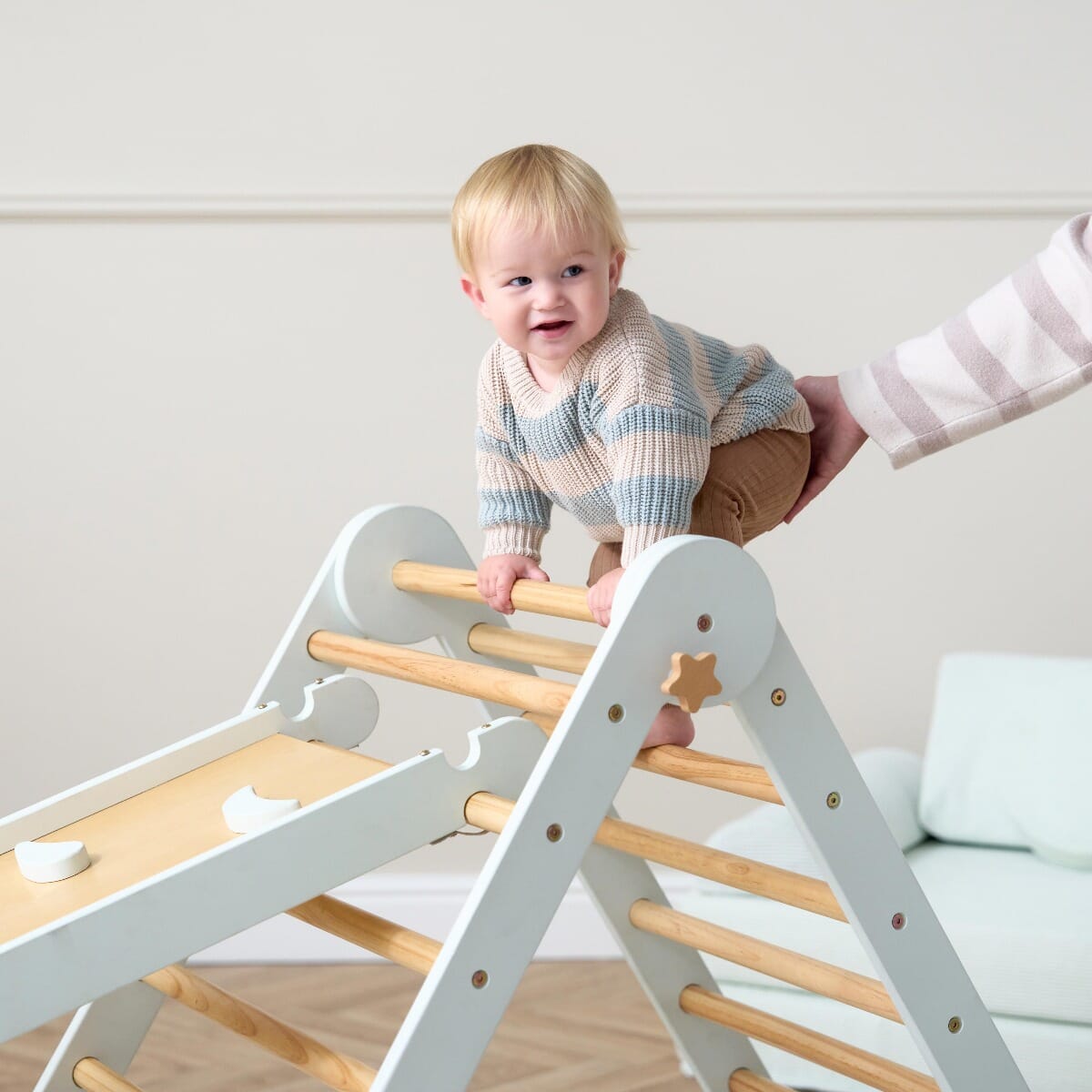
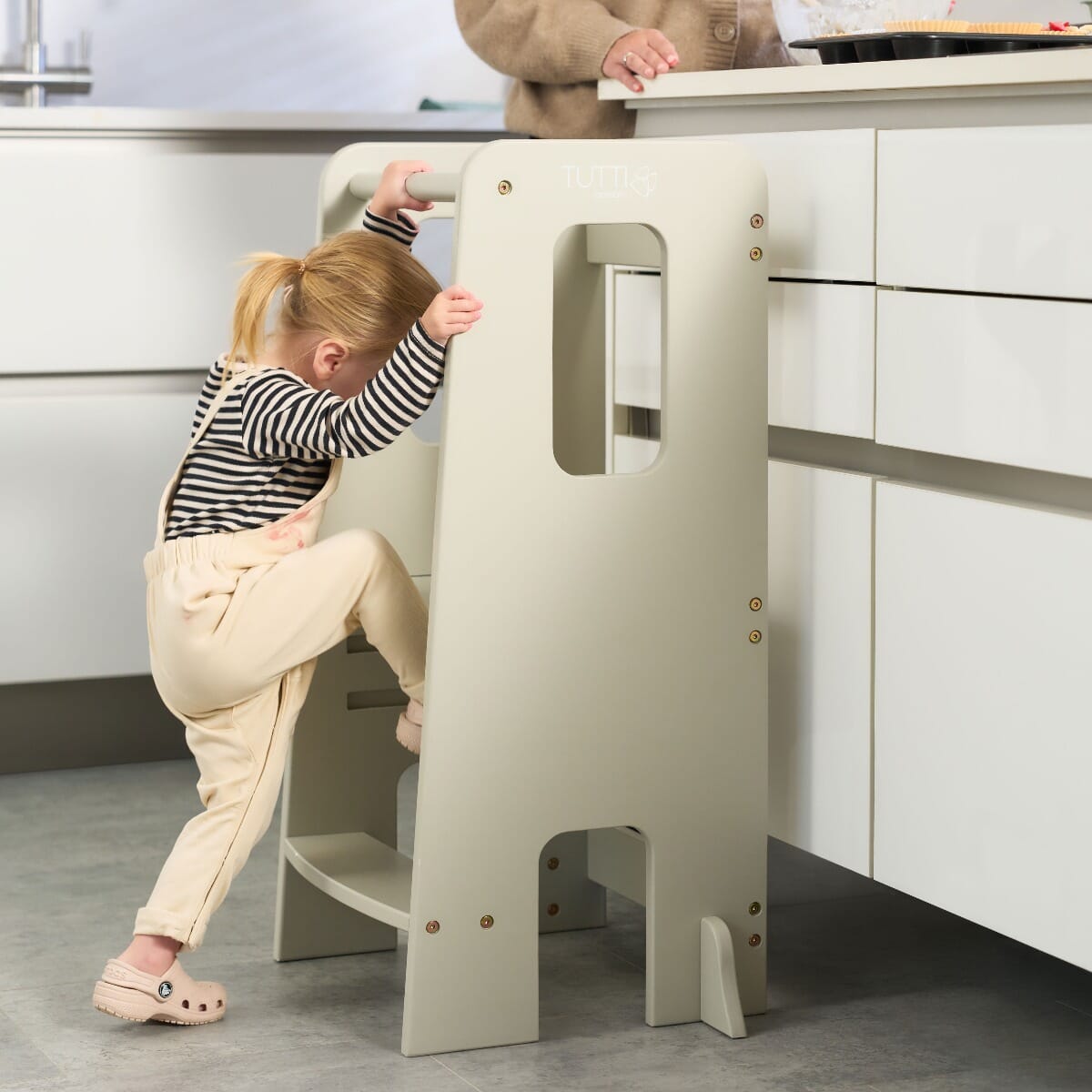
When children work something out for themselves, whether that's climbing onto a platform, balancing on a rocker or creating an imaginative game, they develop a genuine sense of achievement. Every small success helps build self-belief.
Instead of relying on adults for answers, they begin to trust their own abilities and become more willing to tackle new challenges.
It encourages problem-solving
Open-ended play naturally presents opportunities for children to think critically. How can I build this tower higher? What's the best way to climb across? How do I turn this play sofa into a castle?
These everyday moments encourage experimentation, resilience and flexible thinking. Children quickly learn that it's okay if something doesn't work the first time because they can simply try again.
It sparks creativity
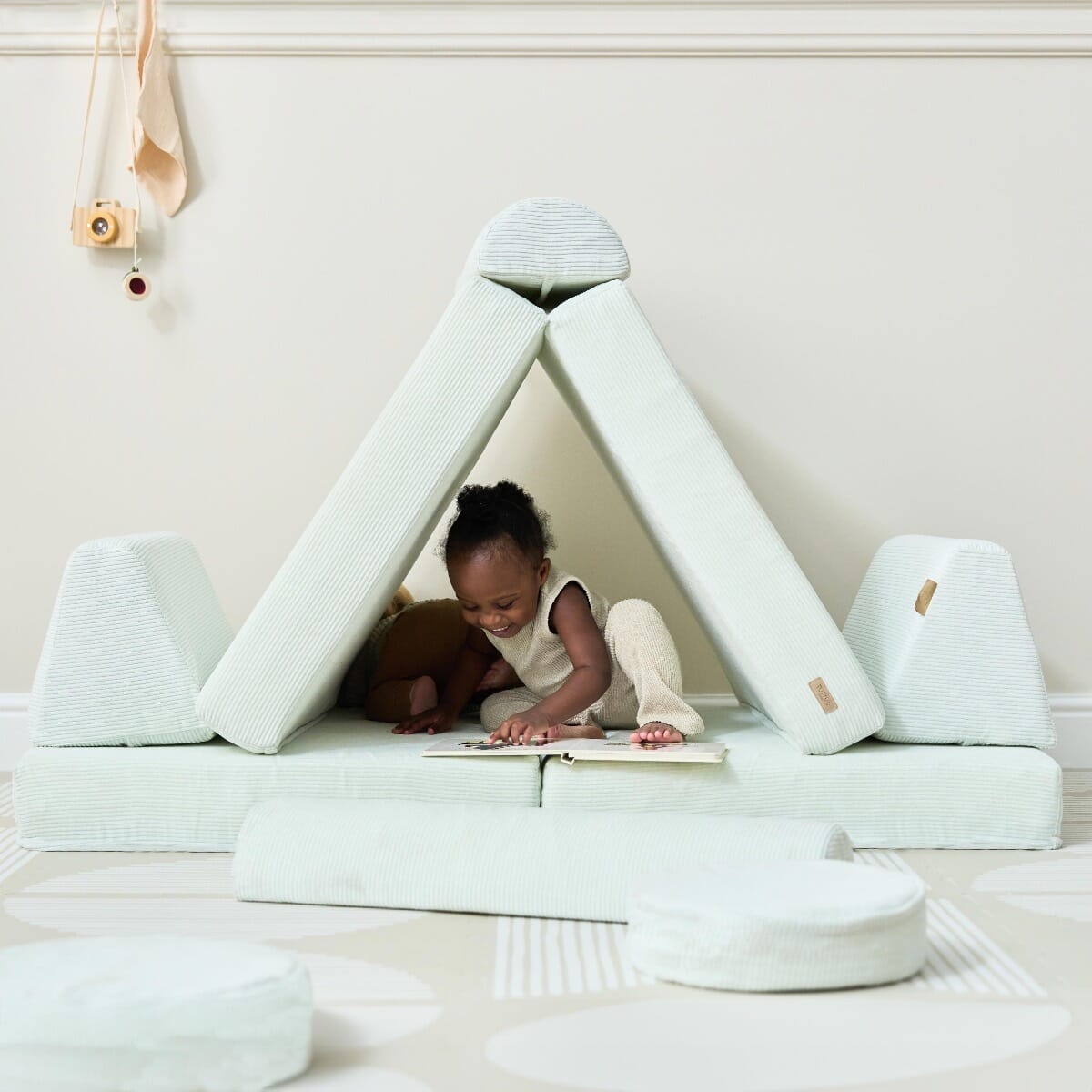
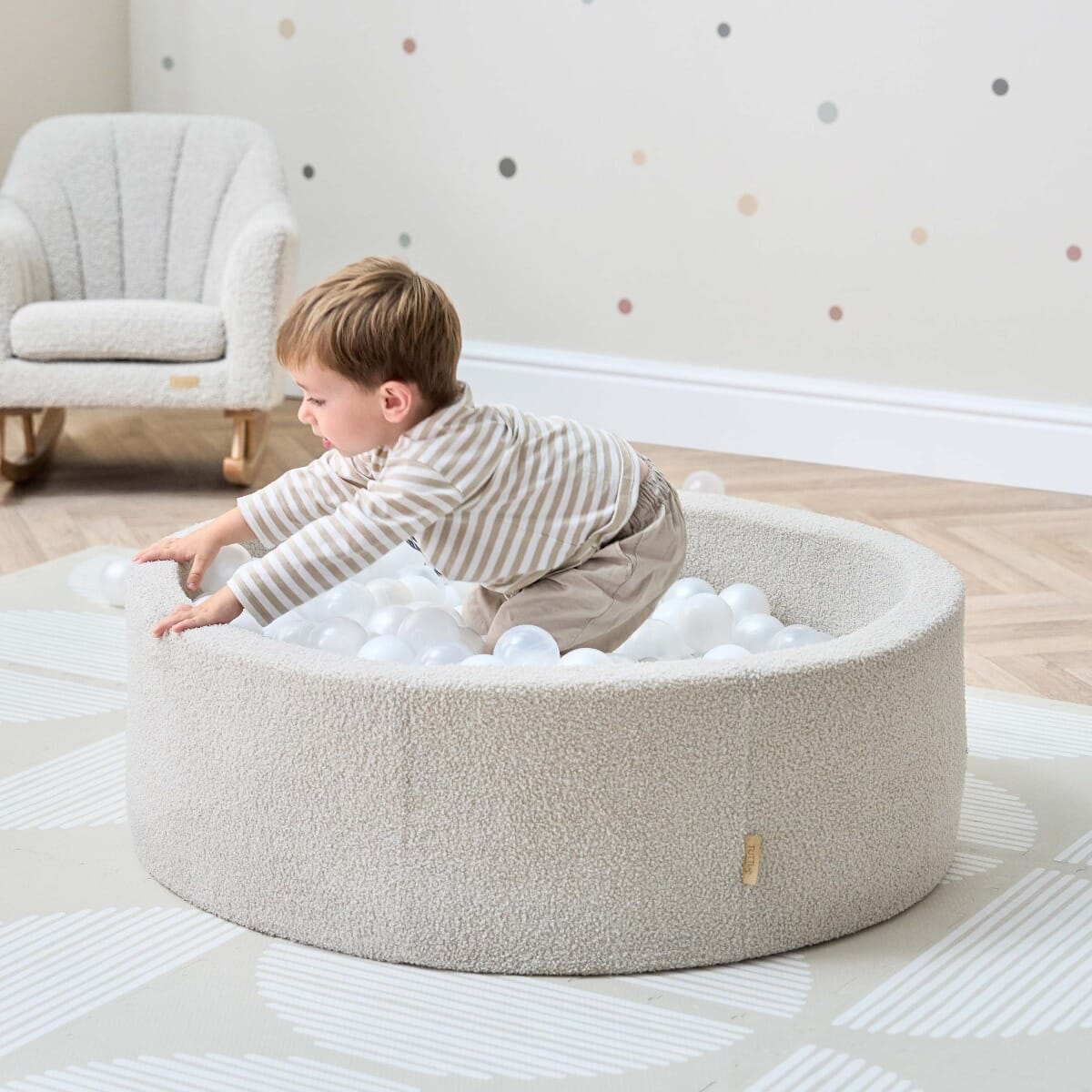
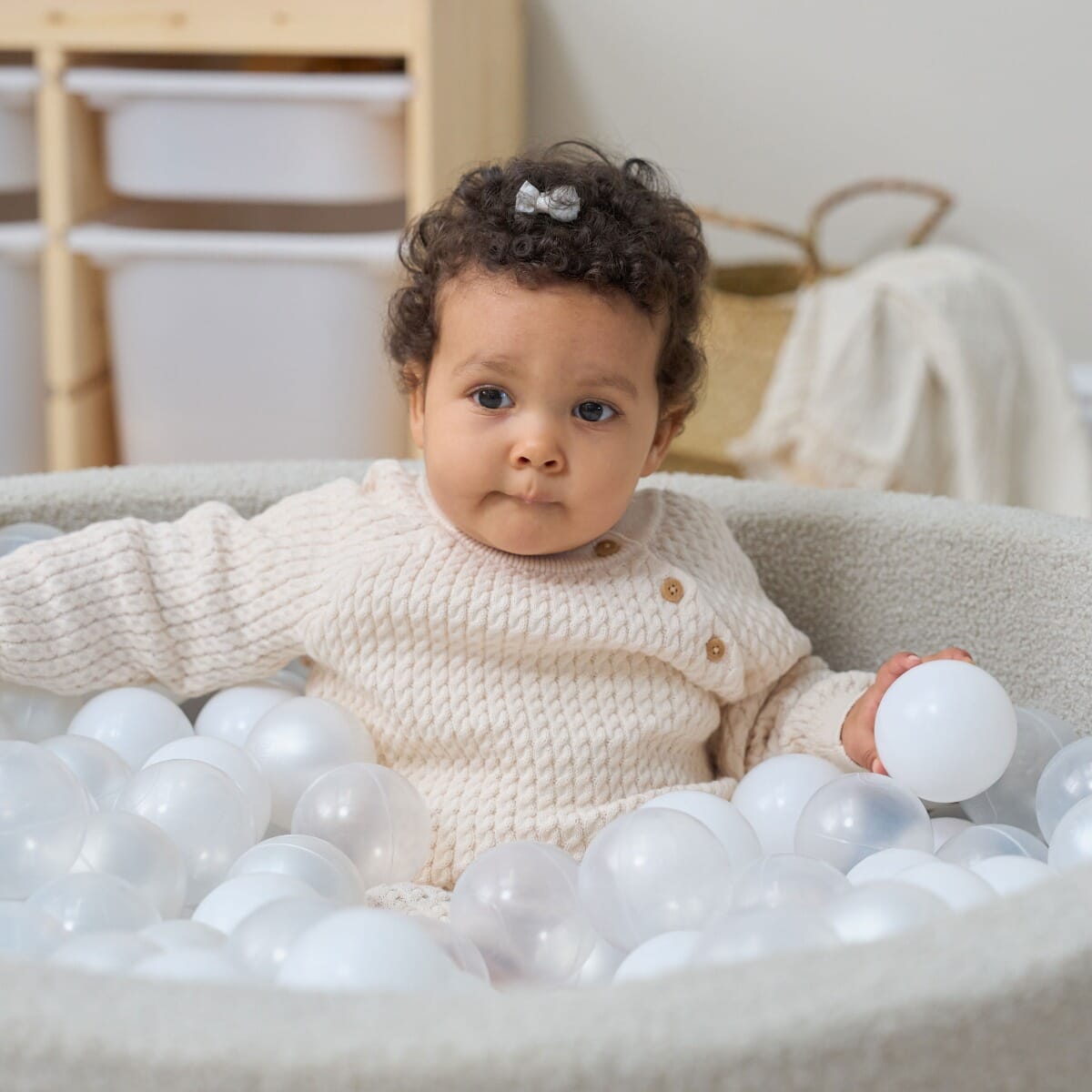
Without instructions or a "right" way to play, imagination takes over. A climbing frame becomes a pirate ship. A play sofa transforms into a secret cave. A ball pit becomes an underwater adventure.
These imaginative scenarios help develop storytelling, language skills and creative thinking while making play even more enjoyable.
It develops concentration
Independent play often leads to longer periods of focused attention. When children are deeply engaged in an activity they've chosen themselves, they're more likely to practise concentration without even realising it.
These moments of sustained focus help lay foundations for learning later on, from following instructions at school to completing more complex tasks.
It supports emotional wellbeing
Play also gives children a safe way to process experiences and emotions. Pretend play and creative exploration allow little ones to express feelings they may not yet have the words to describe.
Independent play encourages emotional regulation too, helping children manage frustration, practise patience and celebrate their own successes.

The physical benefits of active play
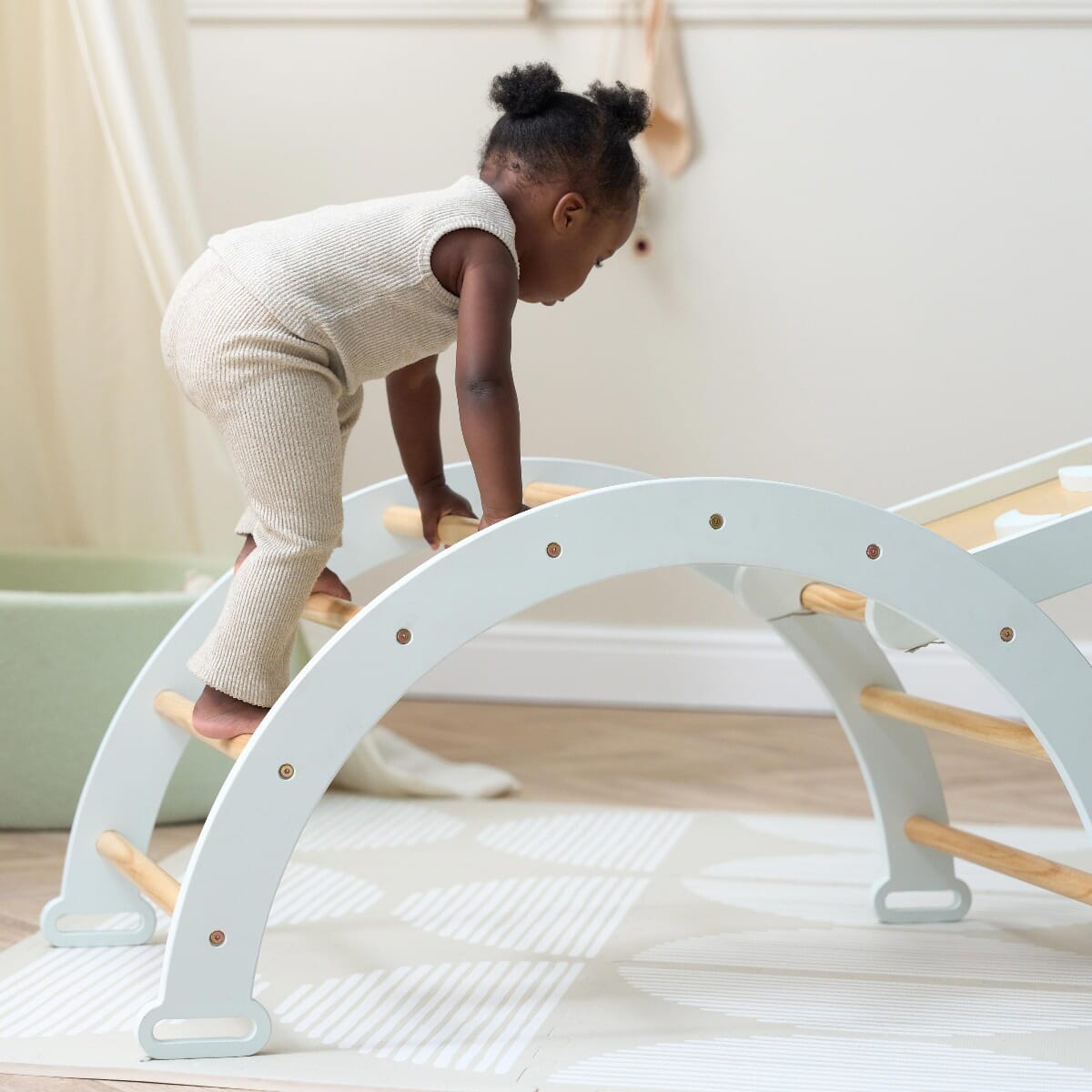
Independent play isn't only about imagination, it's also an opportunity to develop important physical skills. Activities like climbing, balancing, crawling, rocking and jumping strengthen muscles, improve coordination and build body awareness. Gross motor skills continue to develop through movement, while everyday activities such as stacking, drawing and manipulating smaller objects support fine motor development.
Creating an environment that invites movement helps children build confidence in their physical abilities while burning off energy in positive, engaging ways.
Creating a space that inspires independent play
Children don't need a playroom full of toys to enjoy meaningful independent play. In fact, having fewer, thoughtfully chosen pieces often encourages deeper engagement because children focus on creating rather than simply consuming entertainment.
When designing a play space, consider including:
- Open-ended toys that can be used in multiple ways
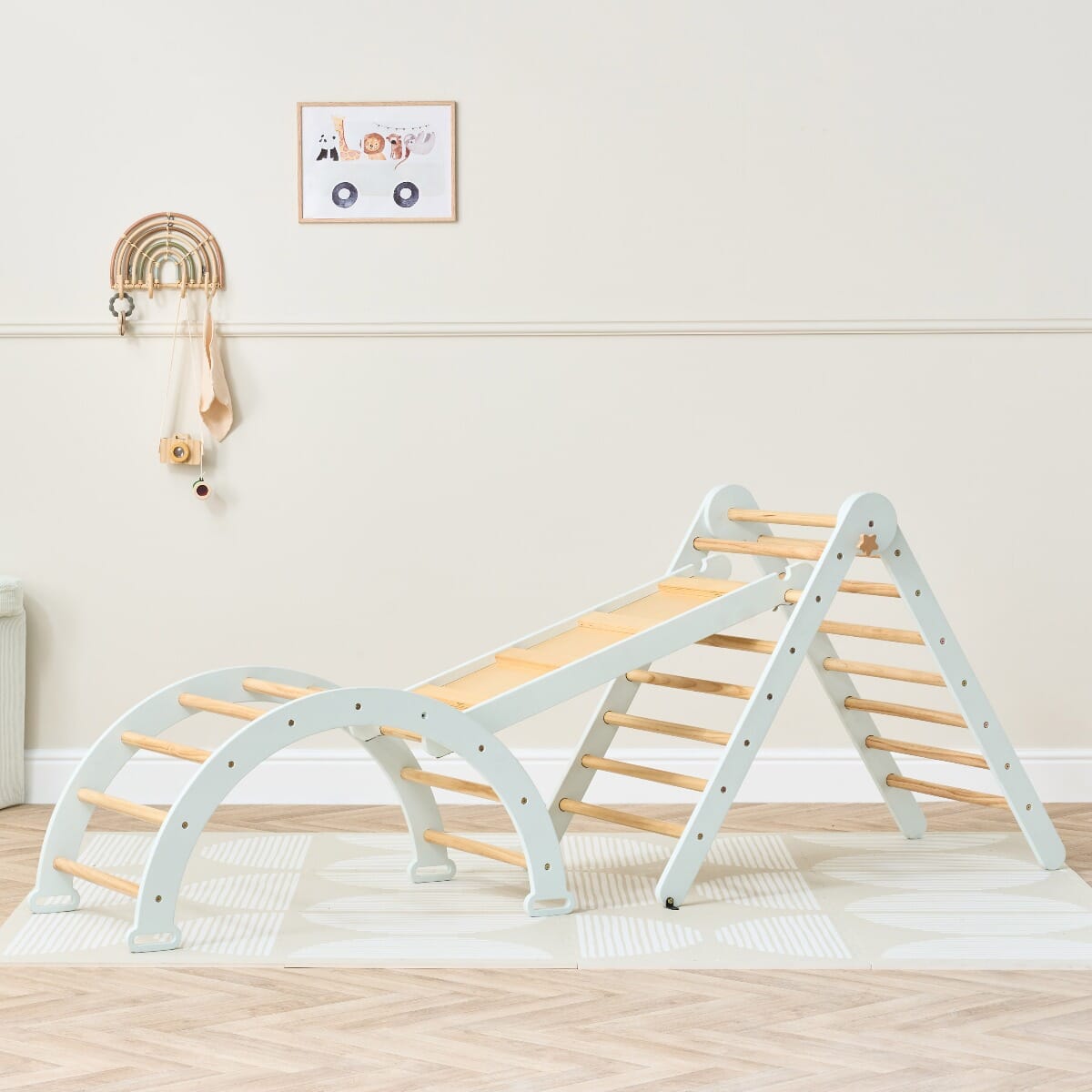
- Furniture that encourages movement and exploration
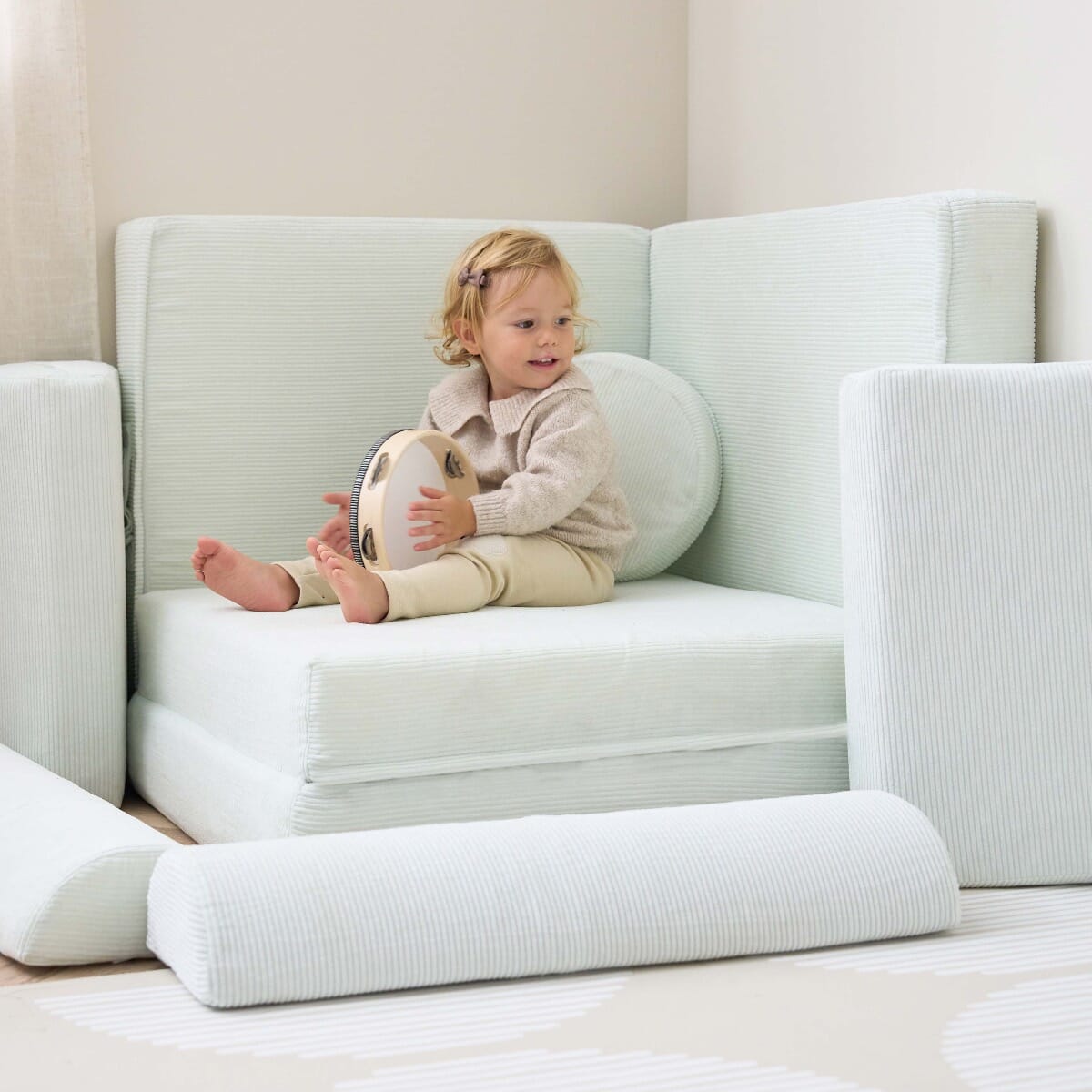
- Soft, comfortable areas for reading and imaginative play
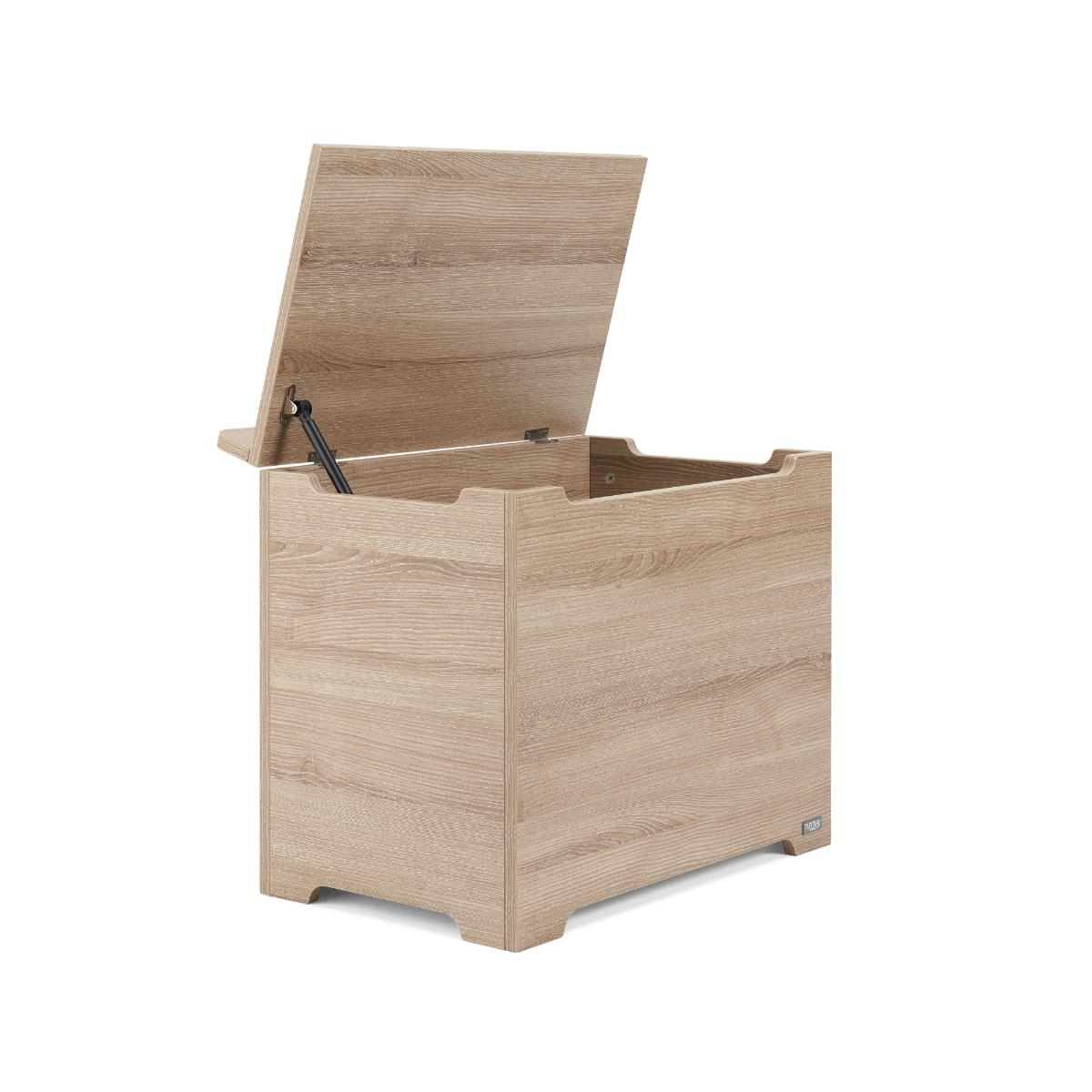
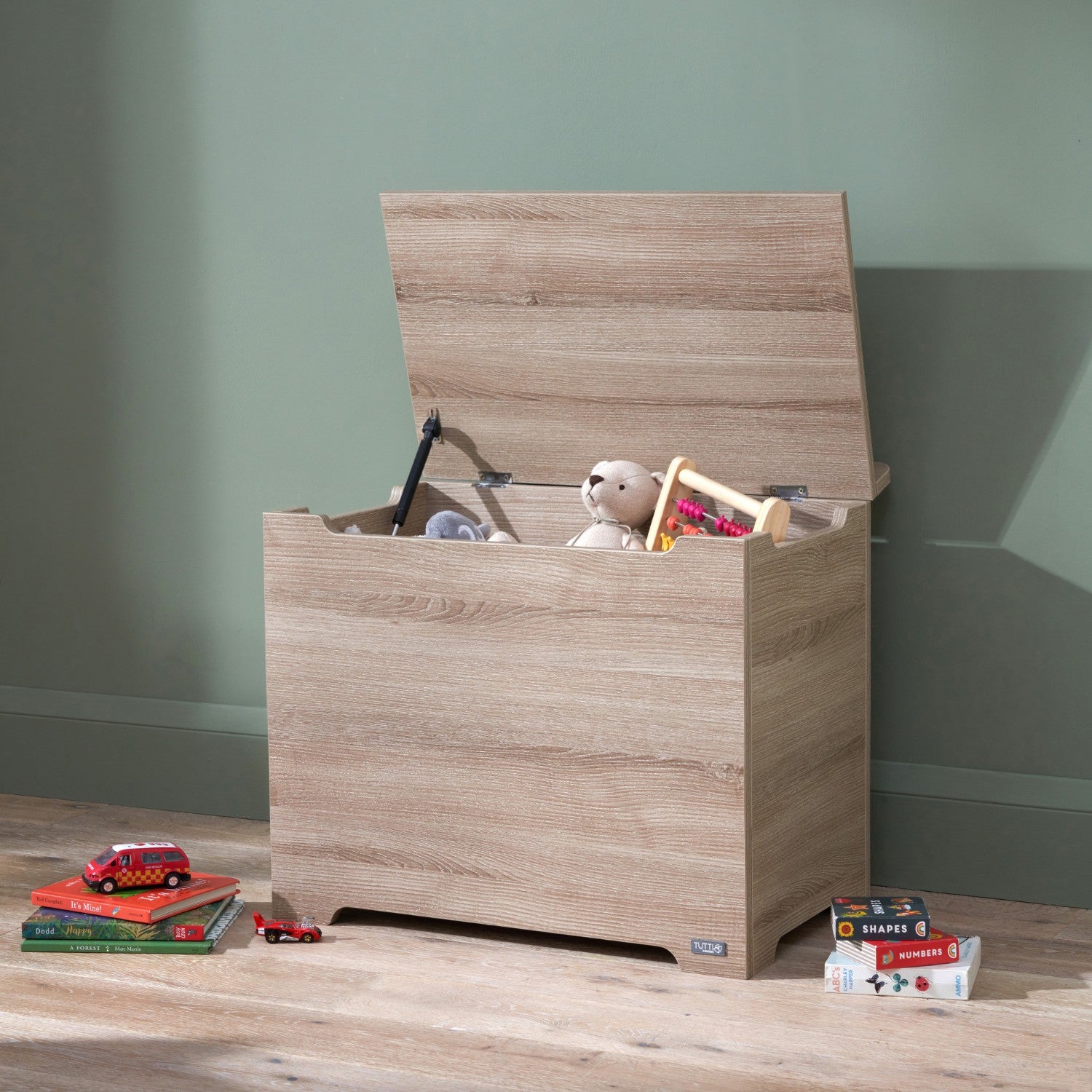
- Accessible storage so children can choose activities independently
- Natural colours and calming surroundings that don't overwhelm the senses
The aim is to create a space that feels inviting, safe and full of possibility.

Thoughtfully designed play that grows with your child
The best play products don't tell children exactly how to play, they simply provide the foundation for endless possibilities.
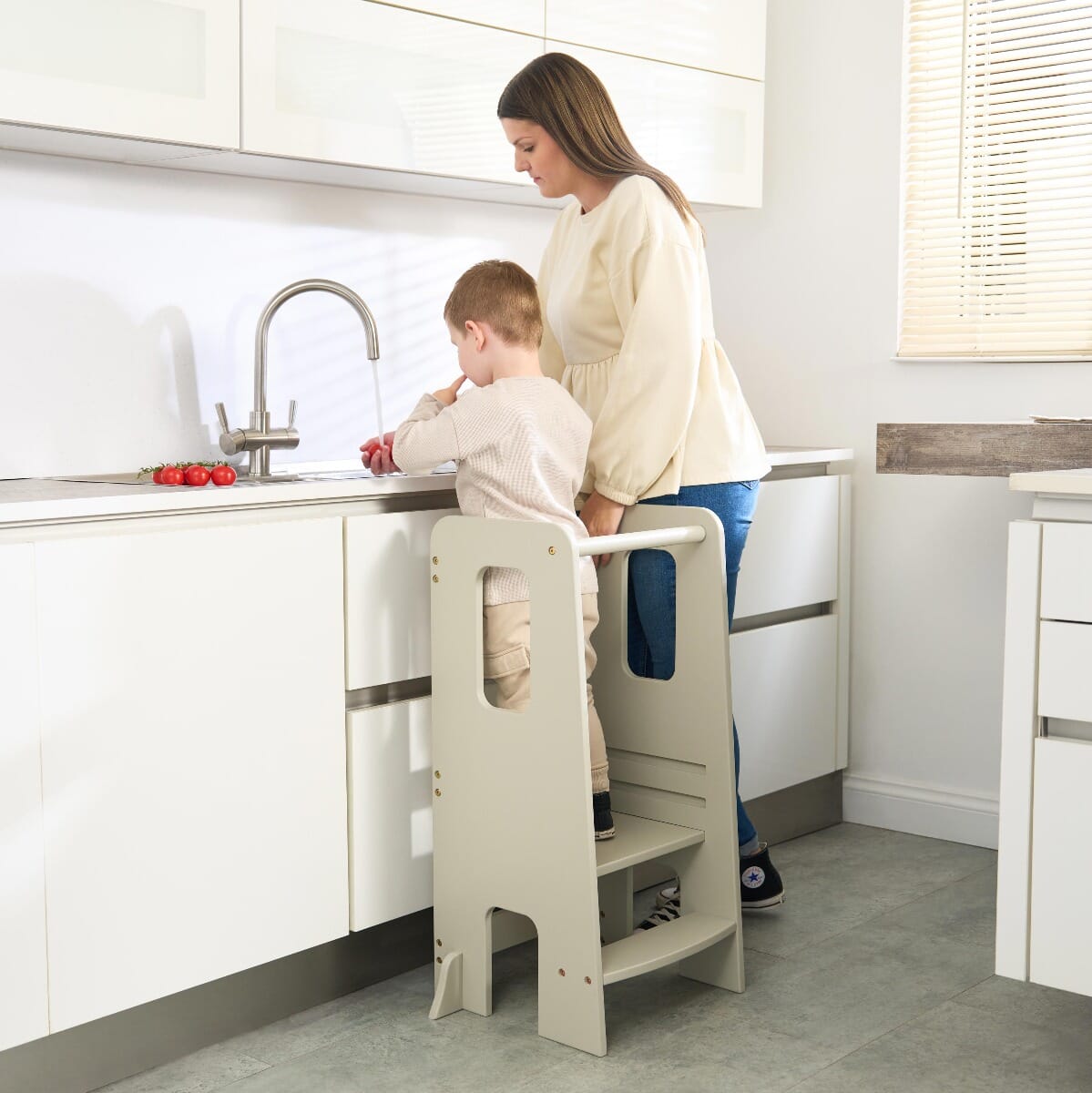
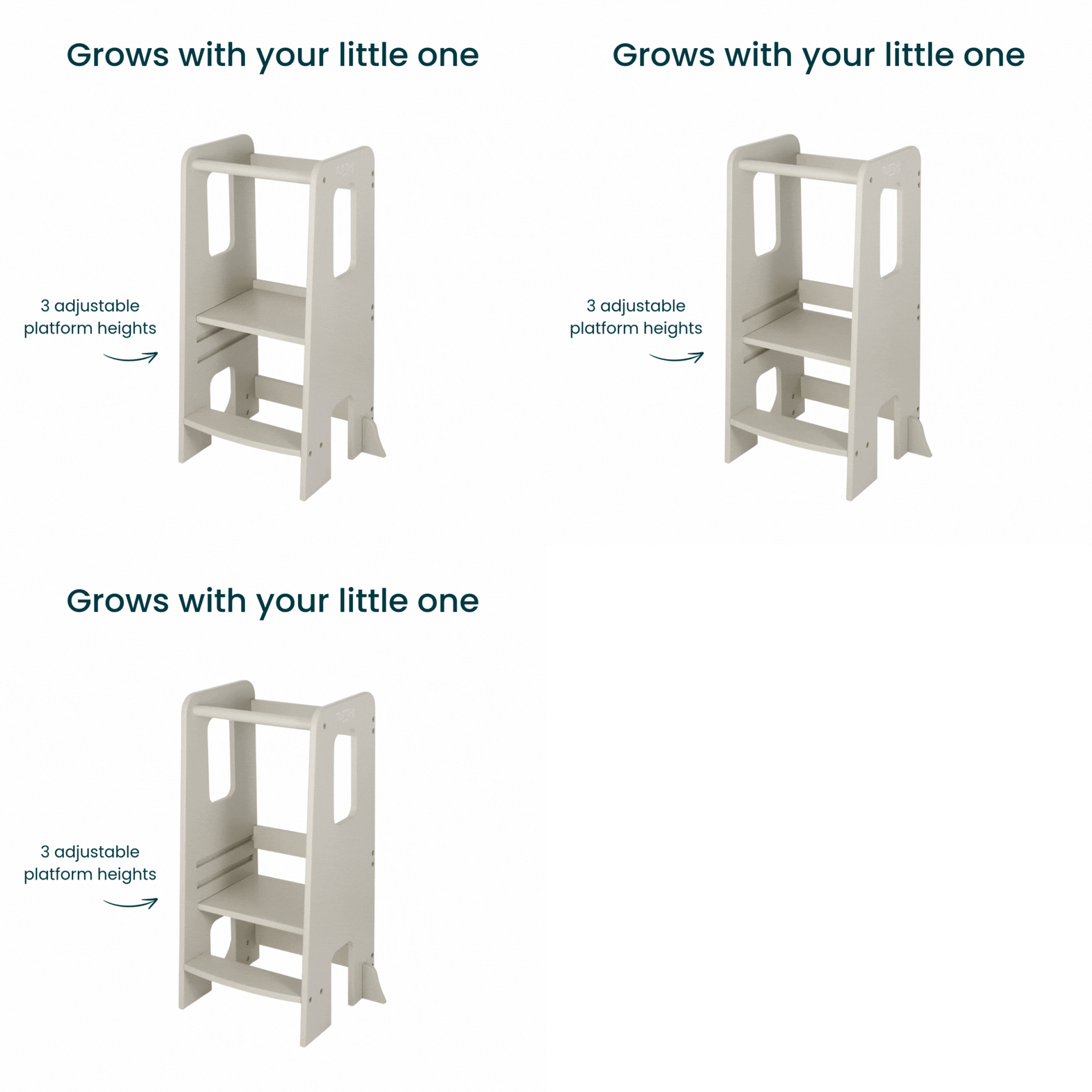
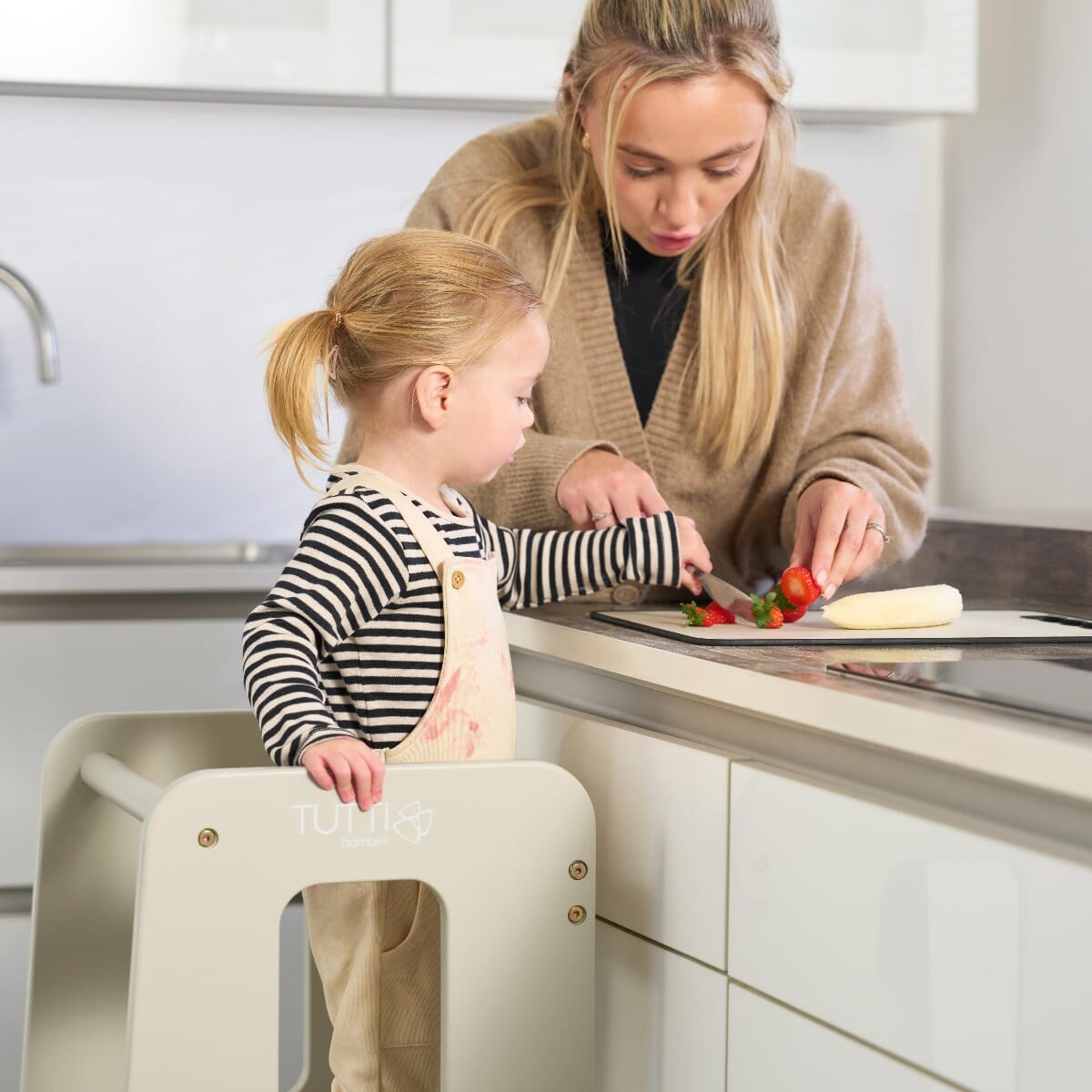
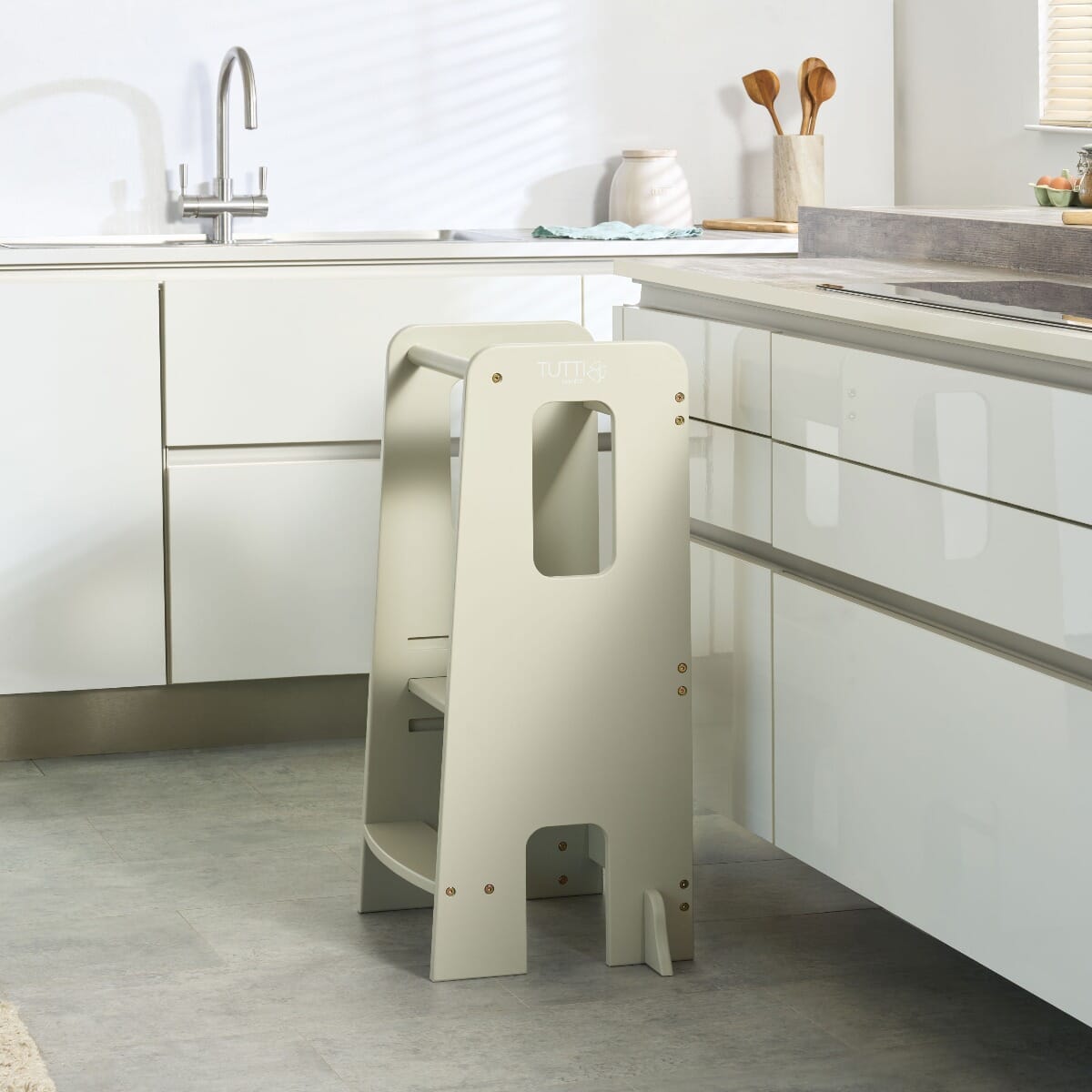
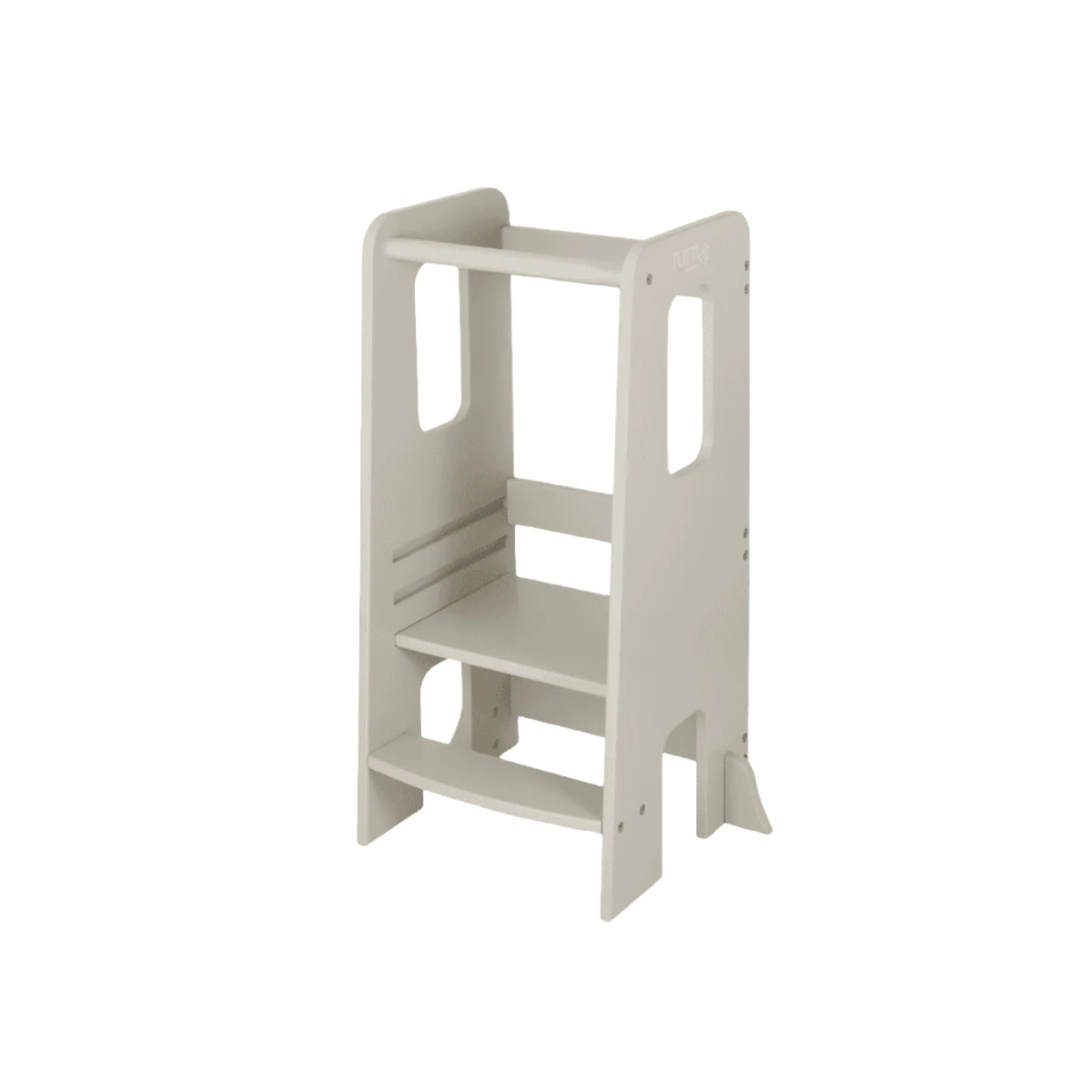
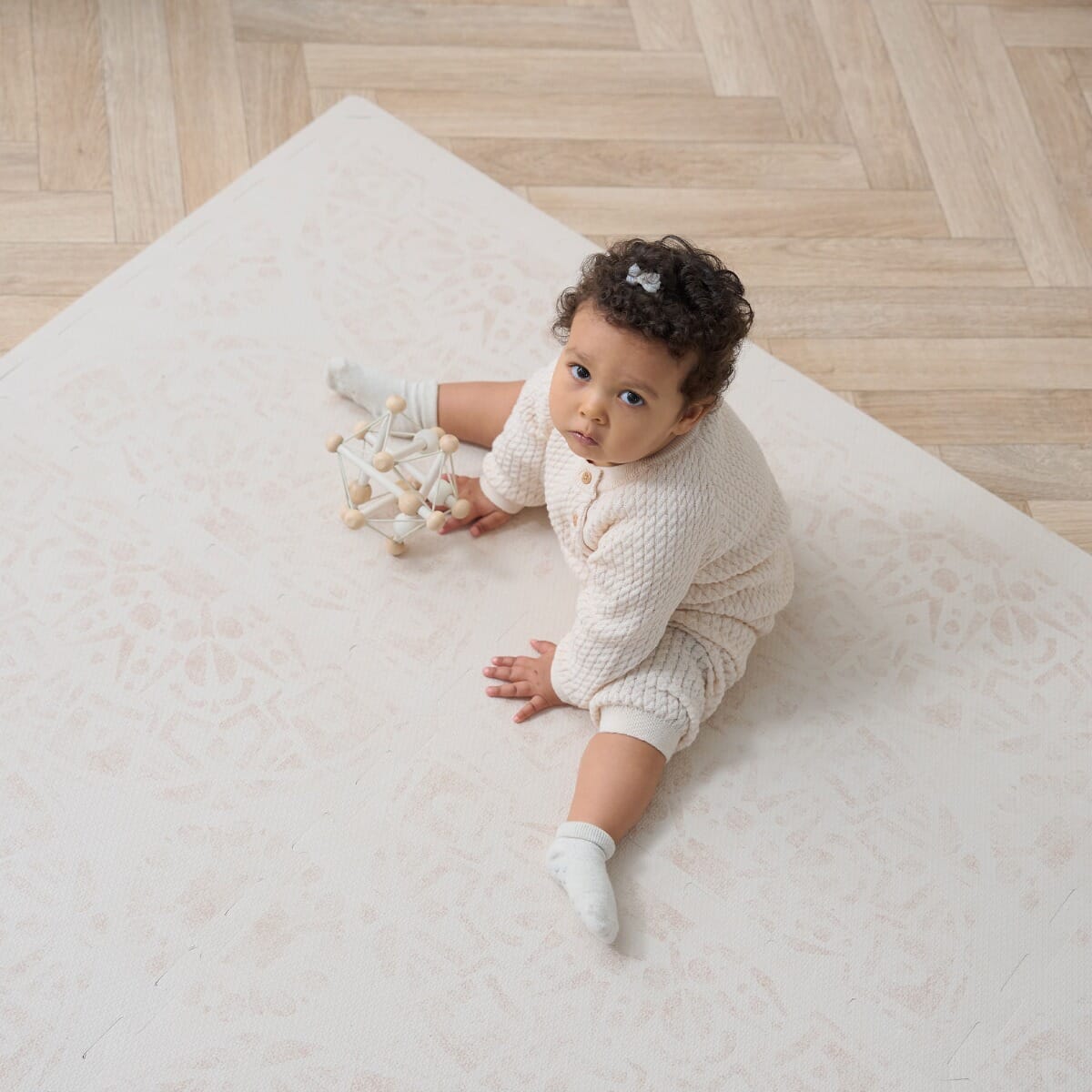
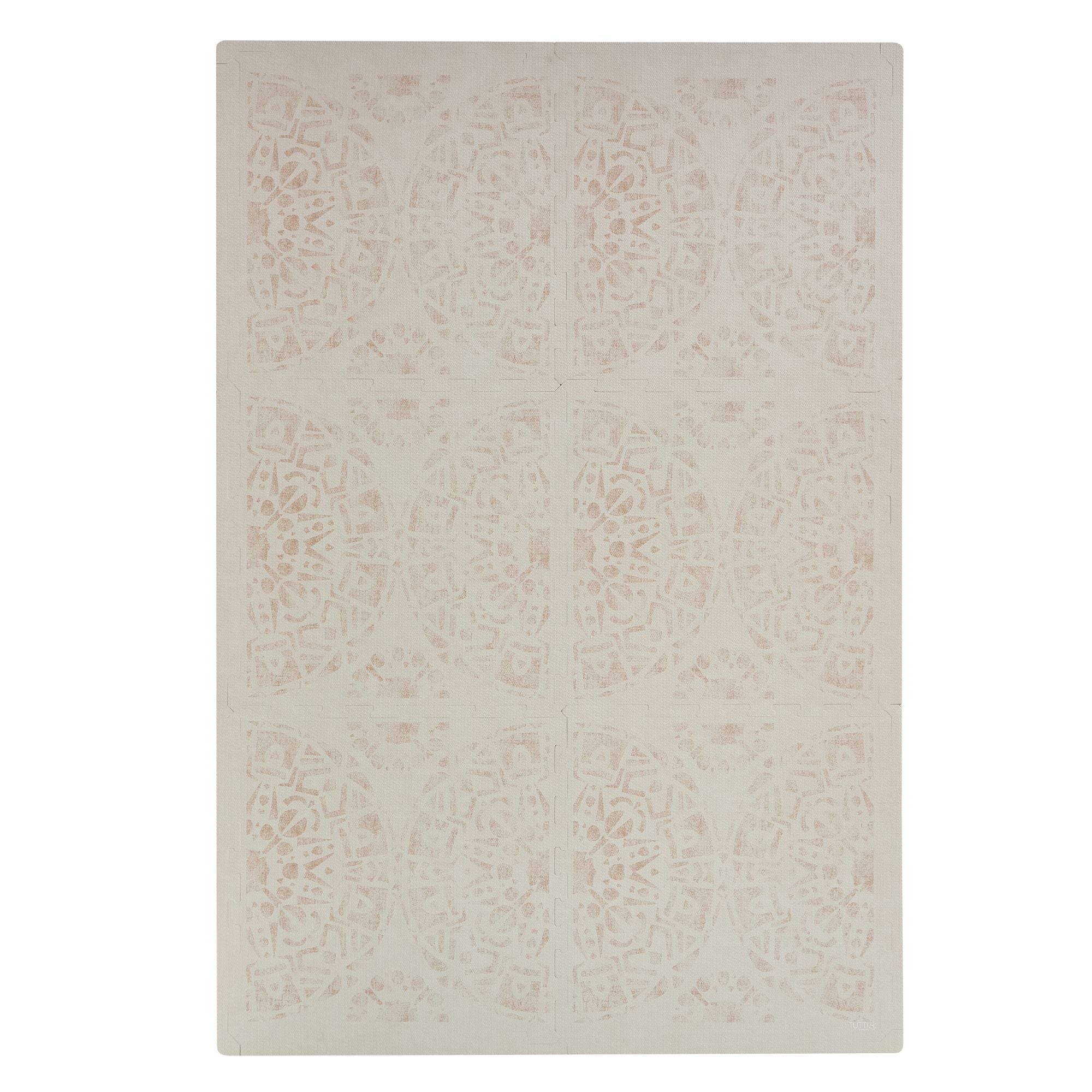
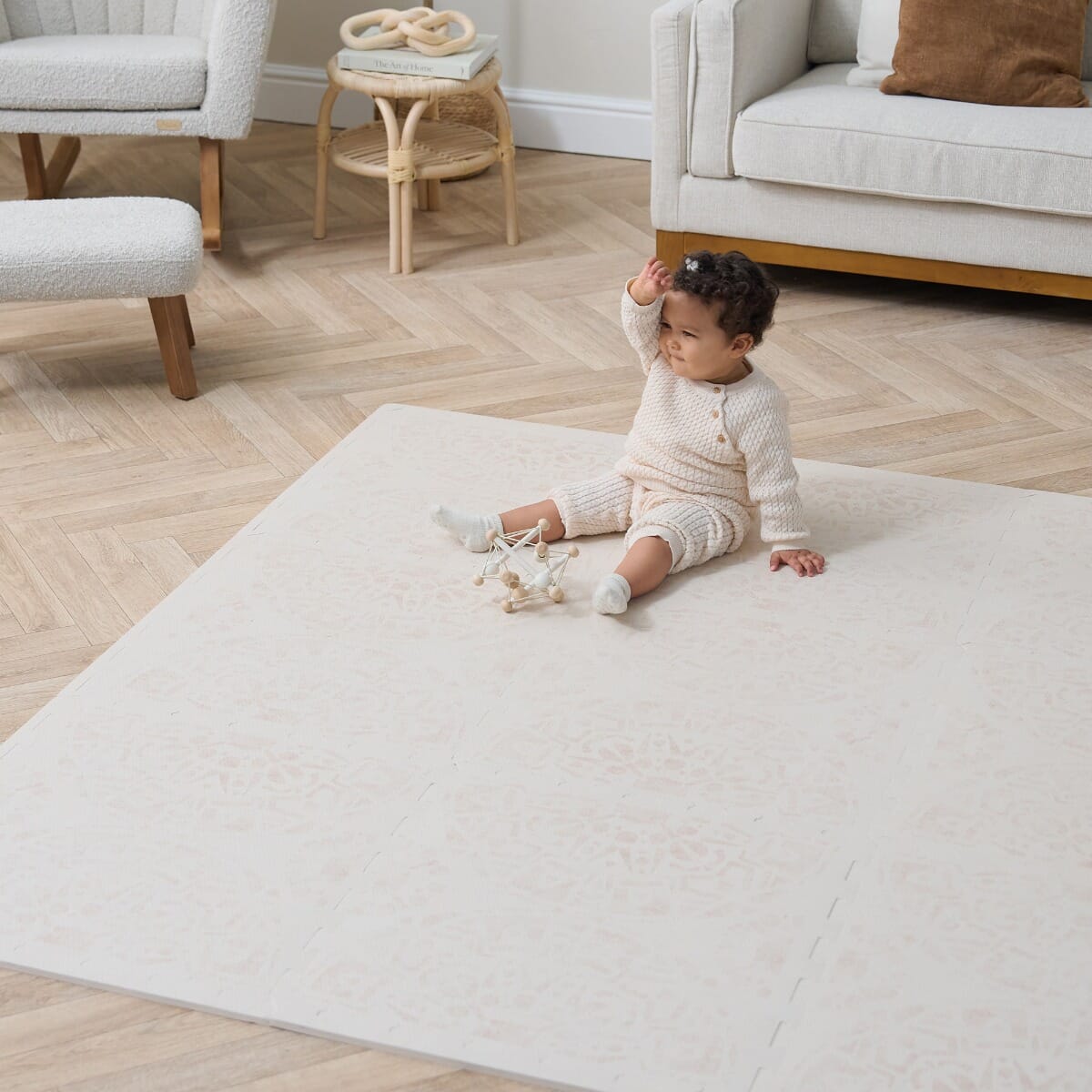
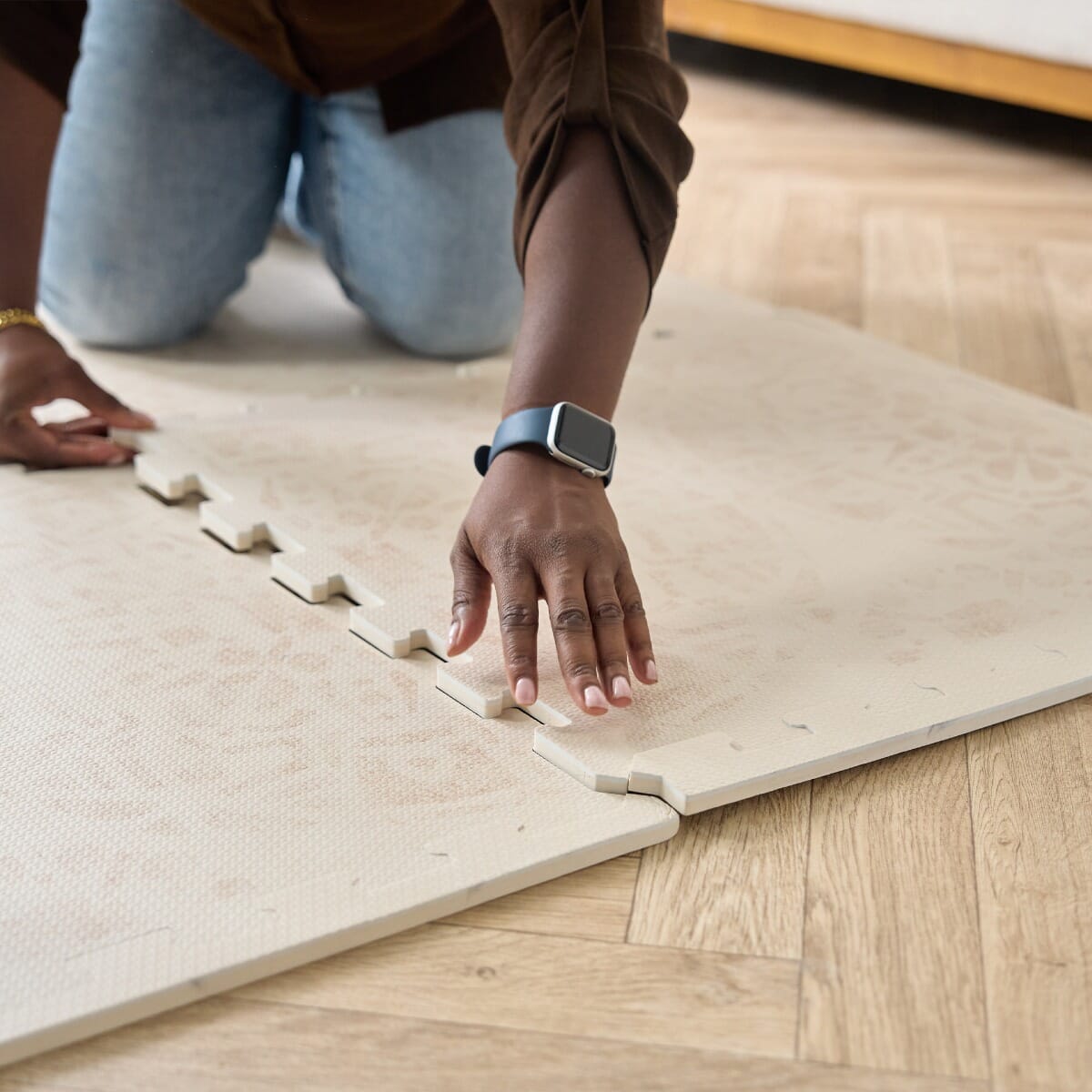
A versatile play sofa can become a reading nook one day and an obstacle course the next. A climbing frame supports physical development while inspiring imaginative adventures. A learning tower invites children to safely participate in everyday family activities, from baking to washing vegetables, encouraging independence beyond playtime. Soft play mats create comfortable spaces for babies learning to roll and crawl before becoming the backdrop for imaginative games as toddlers grow.
By choosing products that evolve alongside your child, families can create play spaces that remain engaging through different stages of development.
Why less guidance can sometimes mean more learning
It can feel tempting to step in when children appear stuck. But often, waiting just a little longer gives them the opportunity to discover solutions on their own. This doesn't mean never helping.
Instead, try offering encouragement rather than instructions:
"What do you think might happen if you tried another way?"
"I wonder how else you could build that?"
Simple prompts keep children thinking without taking over their ideas. These moments help develop independence, perseverance and confidence that lasts well beyond childhood.

Supporting independent play every day
Independent play doesn't need hours of uninterrupted time. Even 15 to 30 minutes each day can make a meaningful difference. Try creating a simple routine where your child knows they have dedicated playtime in a safe, engaging environment.
You may find that over time they naturally become more confident playing independently for longer periods. As parents, it also provides an opportunity to enjoy a cup of tea, catch up on household jobs or simply pause, knowing your child is learning through play.
Play with purpose
Every child learns differently, but one thing remains true: play is one of the most powerful tools for development. When children are given the freedom to move, imagine, experiment and explore independently, they're building far more than towers and obstacle courses. They're building resilience, confidence, creativity. problem-solving skills and a lifelong love of learning.
Thoughtfully designed play spaces and versatile, open-ended products help create the perfect environment for these moments to happen naturally, supporting little ones as they grow, discover and develop through every stage of childhood.
Because sometimes, the greatest gift we can give our children is simply the space to play.