Feeding a baby isn’t one-size-fits-all, and it certainly isn’t always easy. From latch challenges to cluster feeds at 2am, breastfeeding can be as demanding as it is rewarding. That’s why, for World Breastfeeding Week (August 1st–7th), we’re taking a moment to wrap a little extra care around your journey.
As shared by the World Health Organization, “Invest in breastfeeding, invest in the future.” is this years core message. It’s a call to strengthen the systems and environments that empower families to make informed, supported feeding choices from the very beginning.
Whether you’re breastfeeding for a week, a year, or finding your own way through, we’re here to support you.

The Benefits Of Breastfeeding (For Baby And You)
Breastfeeding is about more than just nutrition, it’s about connection, closeness, and long-term health benefits.
For babies, breastfeeding can:
- Support immunity and lower the risk of infections
- Reduce the chance of allergies and childhood illnesses
- Aid healthy weight gain and development
For parents, it can:
- Support physical recovery after birth
- Lower the risk of certain cancers
- Encourage bonding through skin-to-skin closeness
It’s free, natural, and available on demand, but that's not to say it’s always straightforward. Which brings us to one of the most important aspects of getting started…

Breastfeeding Positions And Attachment: A Calmer Start To Every Feed
How you position your baby, and how they latch, can make a world of difference. Not just to your comfort, but also to how well the feed goes, and how confident you feel doing it.
The NHS and Breastfeeding Network both recommend a few key principles:
Find your calm:
Sit in a comfortable, supported position. Use cushions or a nursing chair to reduce strain. Your shoulders should feel relaxed, not hunched.
Bring baby to you:
Hold your baby close, nose-to-nipple, with their head, neck, and body in a straight line. Their head should tilt slightly back to allow a deep latch.
Look (and listen) for signs of a good latch:
- Wide open mouth with lips flanged out
- More of the dark areola visible above the top lip than below
- Rhythmic suckling and swallowing
- No clicking sounds or pain during feeding
If you’re unsure, uncomfortable, or just want some extra support, don’t hesitate to reach out to your health visitor or local breastfeeding peer support group. These small shifts in posture and positioning can be the key to turning frustration into calm.

What If I Can’t Breastfeed?
Sometimes, despite best intentions and every effort, breastfeeding just doesn’t work out. And that’s okay.
Feeding challenges can be deeply emotional, especially when the experience doesn’t match what you hoped for. If you’re finding it difficult, or decide to stop breastfeeding altogether, it doesn’t make you any less of a parent.
There are many reasons why breastfeeding might not be possible—and every one of them is valid. It might be:
-
Medical: such as low milk supply, medication needs, or health conditions
-
Physical: like pain, latch difficulties, or previous surgeries
-
Emotional: including anxiety, trauma, or feeling overwhelmed
-
Practical: from returning to work to complex family routines
And while support is always available, so is compassion. You’re still nourishing your baby, still offering comfort, and still doing something incredibly important.
Bottle-feeding, expressing, mixed feeding these are all valid, loving choices.
What matters most is that you and your baby feel safe, connected, and cared for. However you feed, you deserve kindness, confidence, and the space to find what works for your family.

Small Comforts That Make a Big Difference
We believe in the quiet helpers and the things that make feeding just a little easier, more restful, and more yours.
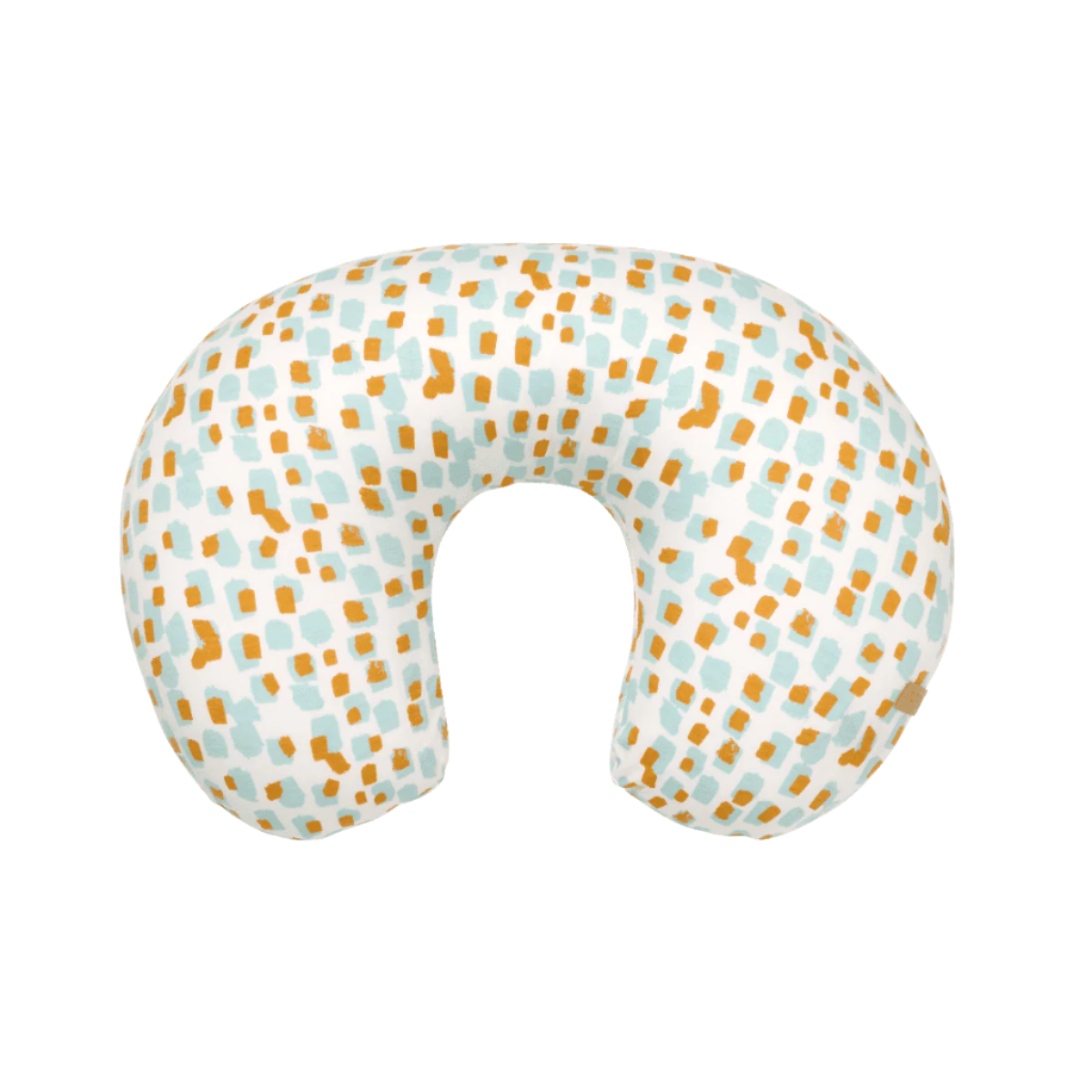
From nursing chairs that gently rock you through night feeds, to footstools that ease tension, to pillows that bring baby closer, our feeding essentials are designed with softness and support in mind.
This year, we’ve introduced two new designs to support those everyday feeding moments - the Harper Wingback Rocking Chair with Footstool and the Oscar Luxe Rocking Chair with Footstool. Both feature high backrests, generous armrests, soothing rockers, and hidden storage for keeping muslins, snacks, or spare vests within easy reach.
The feeding journey isn’t always picture-perfect. But with the right tools and a little reassurance, it can be a time to slow down, snuggle in, and find your rhythm together.

Final Thoughts: There’s No One “Right” Way—Just What’s Right for You
However you feed your baby, World Breastfeeding Week is a moment to pause, reflect, and honour the care it takes. Whether it’s breast, bottle, expressed milk or a mix of all three - what matters most is that both of you are nourished and supported.
Let’s keep talking, keep listening, and keep showing up for the parents doing their best, day by day, feed by feed.