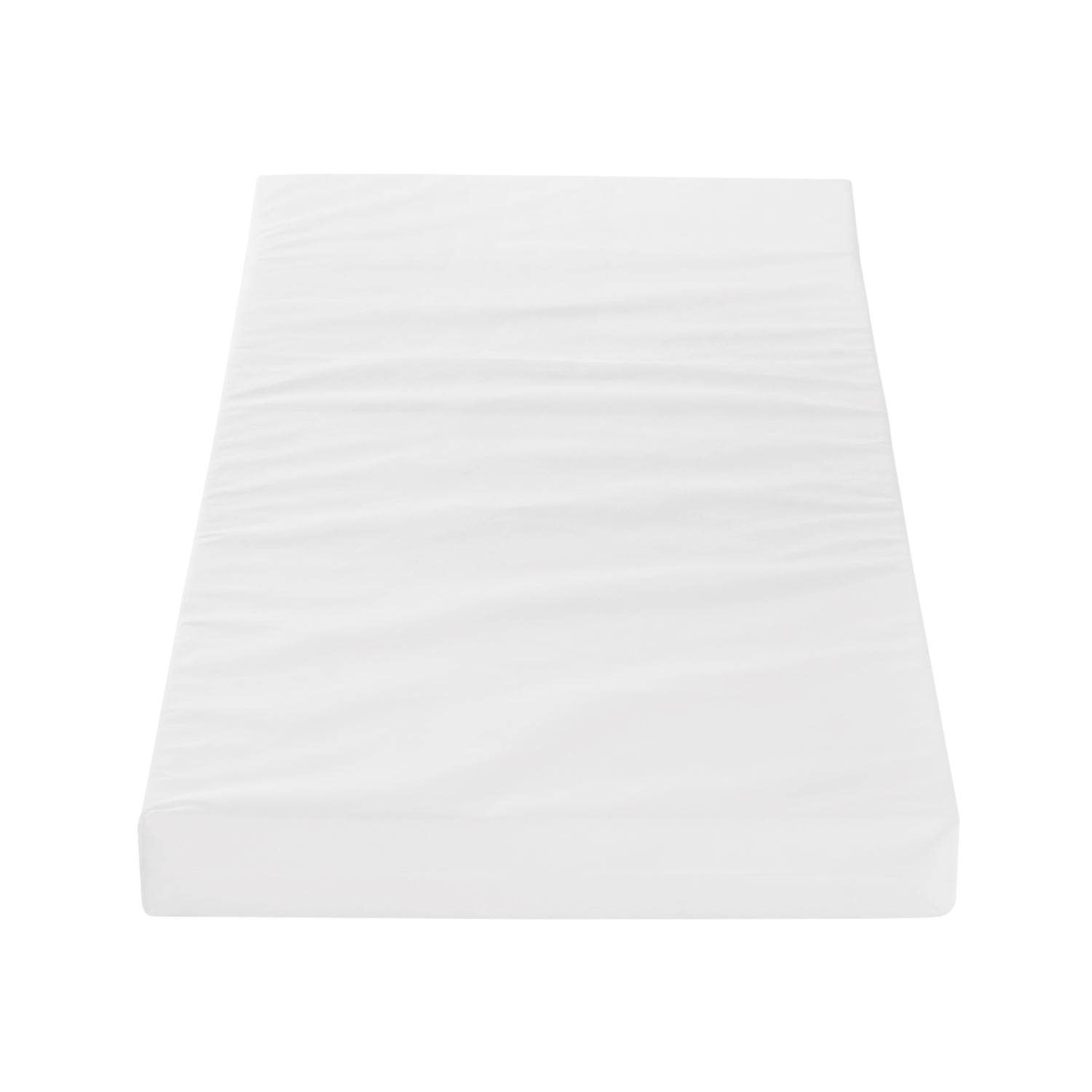
How to Choose the Right Baby Mattress

Choosing the right baby mattress is one of the most important decisions when preparing your baby’s sleep space. A good mattress supports healthy development, encourages safe sleep, and helps regulate comfort and temperature throughout the night.
With so many options available, it can be difficult to know what to look for. This guide breaks down the key factors to consider, helping you choose a mattress that suits your baby’s needs from newborn through to toddler.
What kind of mattress does a baby need?
A baby needs a firm, flat, and waterproof mattress to ensure safe sleep. A firm surface supports their developing spine and reduces the risk of SIDS, while being waterproof helps maintain hygiene by protecting against leaks. Always ensure it fits the cot snugly with no gaps.
Why the Right Baby Mattress Matters
A baby spends a significant amount of time sleeping, especially in the first year of life. The mattress plays a key role in creating a safe and supportive sleep environment.
The ideal baby mattress should be firm, breathable, and correctly fitted to the cot or cot bed. It should also support airflow, help regulate temperature, and maintain its structure over time.
Baby Mattress Sizes Explained
Getting the correct size is essential for safety. A mattress should always fit snugly inside the cot or cot bed with no gaps around the edges.
The most common UK sizes are:
- 120 x 60 cm – standard cot size
- 140 x 70 cm – cot bed size
It is important to check the internal measurements of your cot or cot bed before purchasing, as even small gaps can pose a safety risk. A correctly fitted mattress ensures stability and reduces the chance of movement during sleep.
Baby Mattress Safety Standards
Safety should always be the top priority when choosing a baby mattress.
A safe baby mattress should be:
- Firm and supportive to help reduce suffocation risk
- Breathable to allow air circulation and temperature control
- Hypoallergenic to reduce exposure to allergens
- Made with anti-bacterial, anti-fungal, and anti-dust mite properties where possible
- Compatible with a snug-fitting cot or cot bed frame
For more information, visit the NHS website.
Understanding Mattress Types
Different mattress constructions offer different levels of support and comfort. Here’s a simple breakdown of the options available:
Best for: Enhanced comfort and individualised support.
Pocket Sprung
Designed for more tailored support.
- Individual pocket springs that contour to your baby’s body
- Reduced motion transfer for undisturbed sleep
- High-density foam walls for durability
- Breathable, softly quilted cover

Best for: Those wanting a firmer feel with added internal support.
Sprung Mattress
A more traditional option with added structure.
- High tensile spring core for durability
- Interconnected springs for a firmer, uniform feel
- Anti-bacterial, anti-fungal and anti-dust mite properties
- Soft, breathable quilted cover

Best for: Parents seeking natural materials and superior breathability.
Natural Coir Mattress
A premium, natural option.
- Made from coconut fibre, lambswool, cotton and natural latex
- Excellent airflow and temperature regulation
- Naturally breathable, hypoallergenic and anti-bacterial
- Removable, washable cover

Best for: Parents looking for a reliable, easy-care mattress.
Eco Fibre (Deluxe Eco Fibre)
A practical, lightweight option ideal for everyday use.
- Breathable and hypoallergenic
- Made with 100% eco-friendly polyester fibre interior
- Provides firm, consistent support
- Removable, washable cover

Maintenance & Care
Keeping a baby mattress clean helps maintain a healthy sleep environment.
Good practice includes:
- Choosing a mattress with a removable, washable cover (ideally washable at 40°C)
- Regularly washing covers according to care instructions
- Use a mattress protector and a fitted sheet to protect the surface
- Allowing the mattress to air regularly
- Rotating it occasionally to ensure even wear
Always ensure the mattress is completely dry before reuse.
Mattress Protectors: Do You Need One?
Using a mattress protector is highly recommended for maintaining hygiene and extending the lifespan of your baby mattress.
A mattress protector sits between the mattress and fitted sheet, helping to protect against spills, leaks, and everyday accidents. Most are designed to be waterproof while still allowing airflow, ensuring comfort is not compromised.
A good mattress protector also makes cleaning easier, particularly during the early years when nighttime accidents are more common.
When to Replace or Upgrade
As your baby grows, their sleep needs change.
You may need to replace or upgrade your mattress if:
- It no longer feels firm or supportive
- There are visible signs of wear or sagging
- Your baby has outgrown their cot and is moving to a cot bed
For hygiene reasons, it’s generally recommended to avoid reusing mattresses between children unless they are in excellent condition and fully sanitised.
Final Thoughts
The best baby mattress combines firm support, breathability, and easy maintenance, while fitting securely within your cot or cot bed.
Whether you choose eco fibre, sprung, pocket sprung, or natural coir, focusing on safety, hygiene, and comfort will help you create a sleep environment that supports your baby’s development from newborn through to toddler.
Featured Products