Nurseries are deceptively storage-hungry. A newborn does not own much, a few tiny vests, some nappies, a handful of muslins but within six months that inventory expands significantly. Clothing grows with your baby while equipment accumulates.
Getting nursery storage right before baby arrives means choosing pieces that handle what you need now and what you will need at 6, 12, and 24 months.
What a Nursery Actually Needs to Store
-
Clothing: grows rapidly in volume
-
Nappies and changing supplies
-
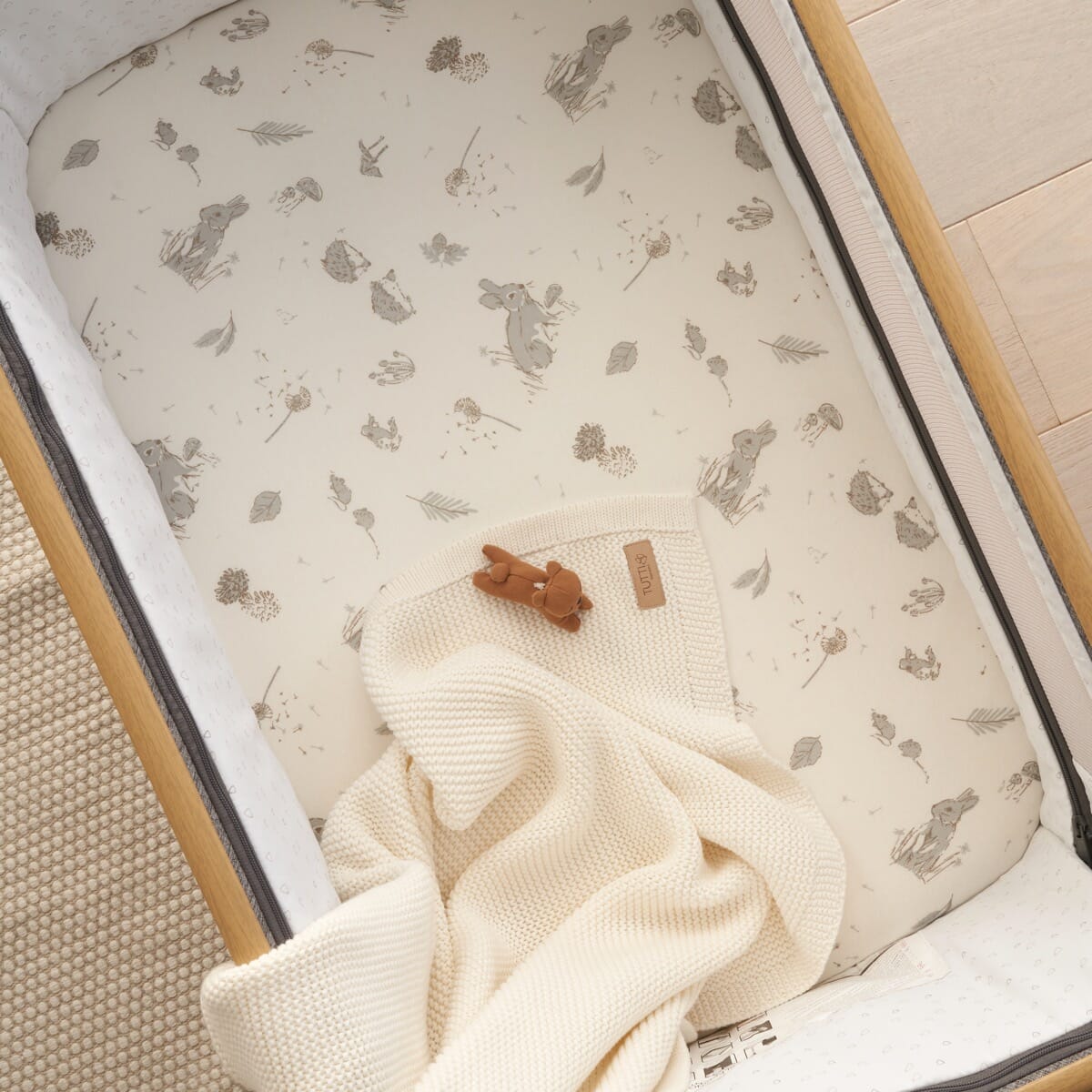
Bedding: fitted sheets, sleeping bags, muslin squares
-
Toiletries and healthcare: nappy cream, thermometer, nasal aspirator, Calpol
-
Toys and books: small at first, significant by 12 months
The Essential Nursery Storage Pieces
Wardrobe
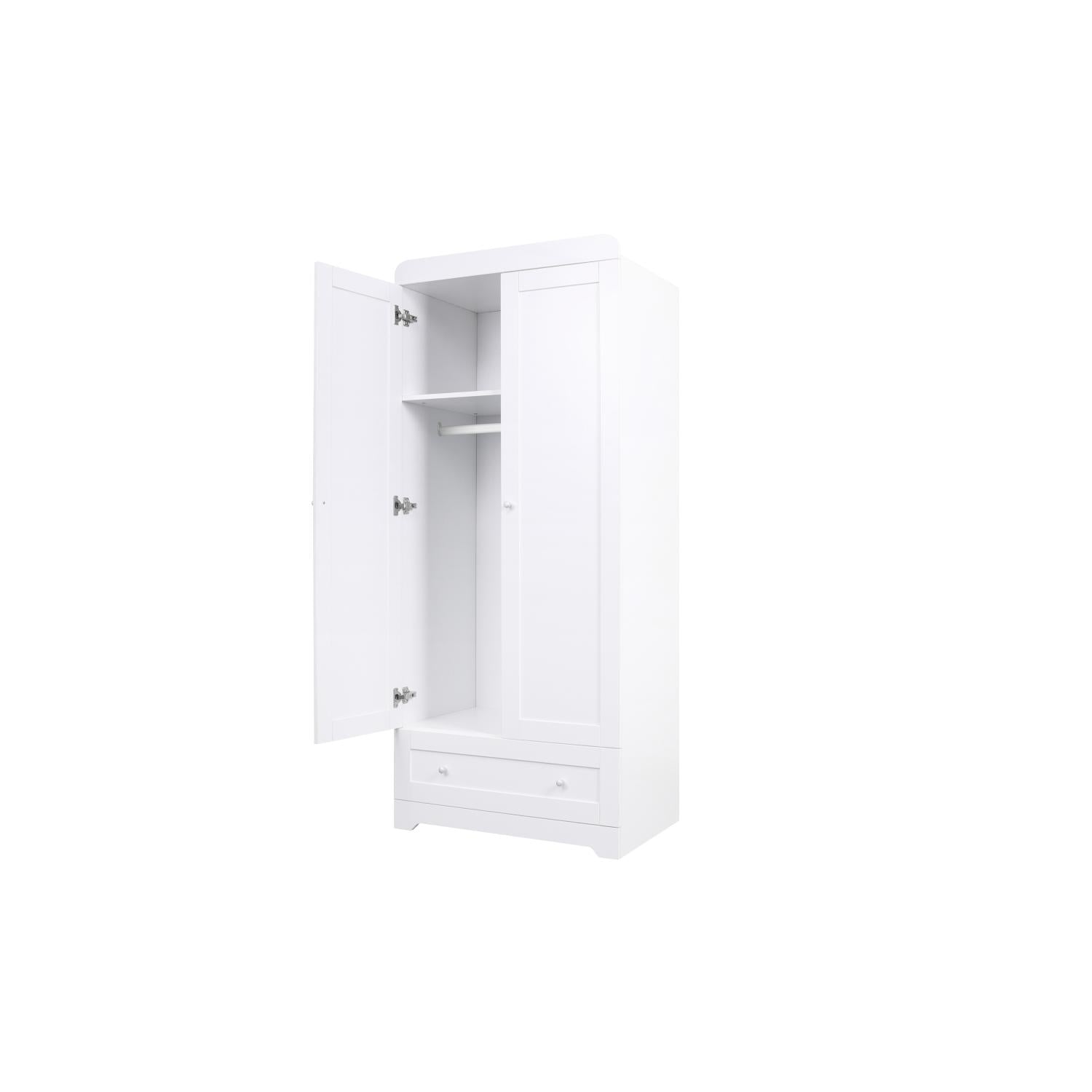
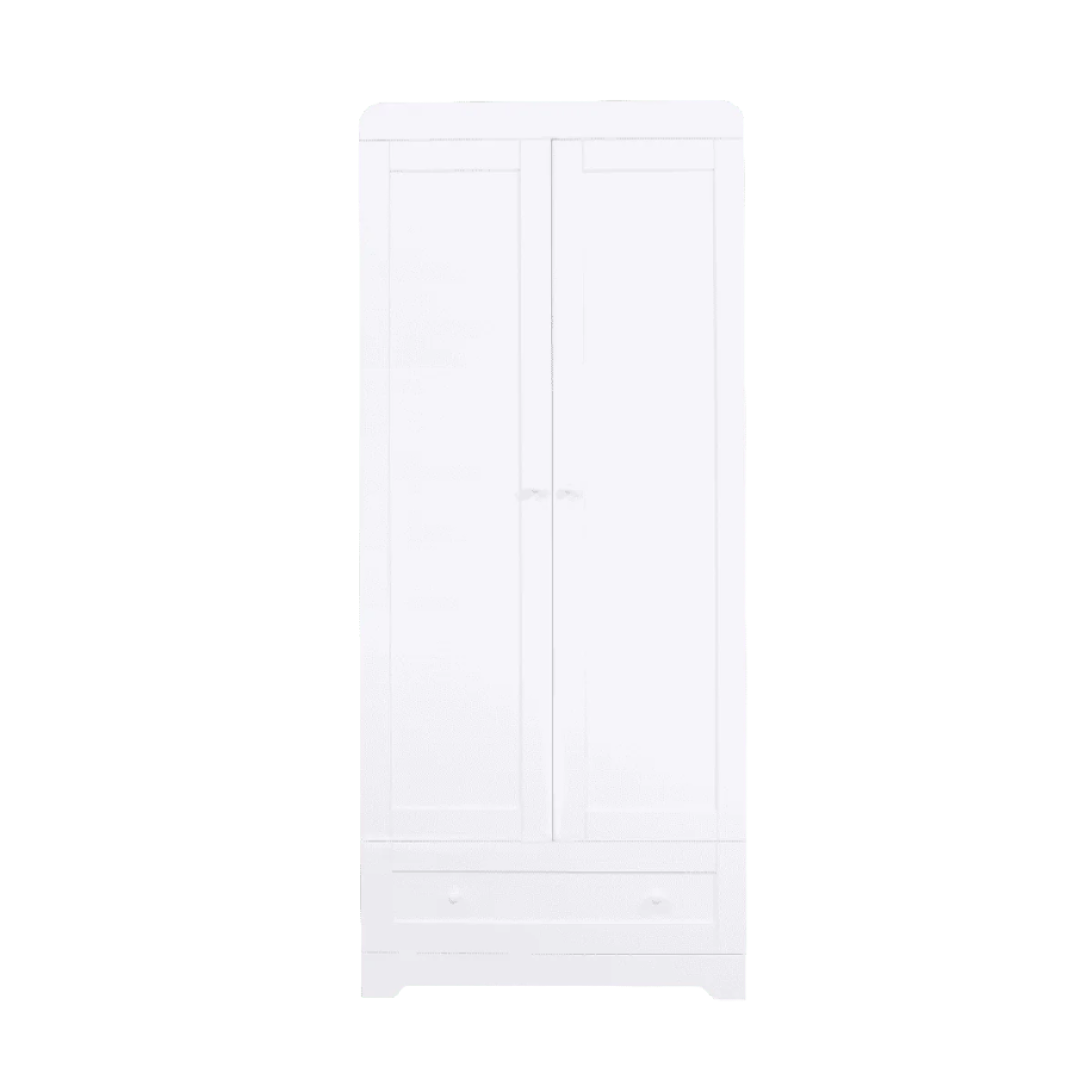
A wardrobe is the core storage piece for clothing. Baby clothing is predominantly short, even many tops, which means a wardrobe with a single hanging rail wastes the lower half of the space. A wardrobe with a hanging section above and drawers or shelving below maximises every centimetre.
-
A wardrobe of at least 90-100cm width gives enough hanging space for the first two years
-
Adjustable shelves let you adapt storage as clothing types change
-
Soft-close hinges matter, a slamming door at naptime is a disproportionate problem
Chest of drawers
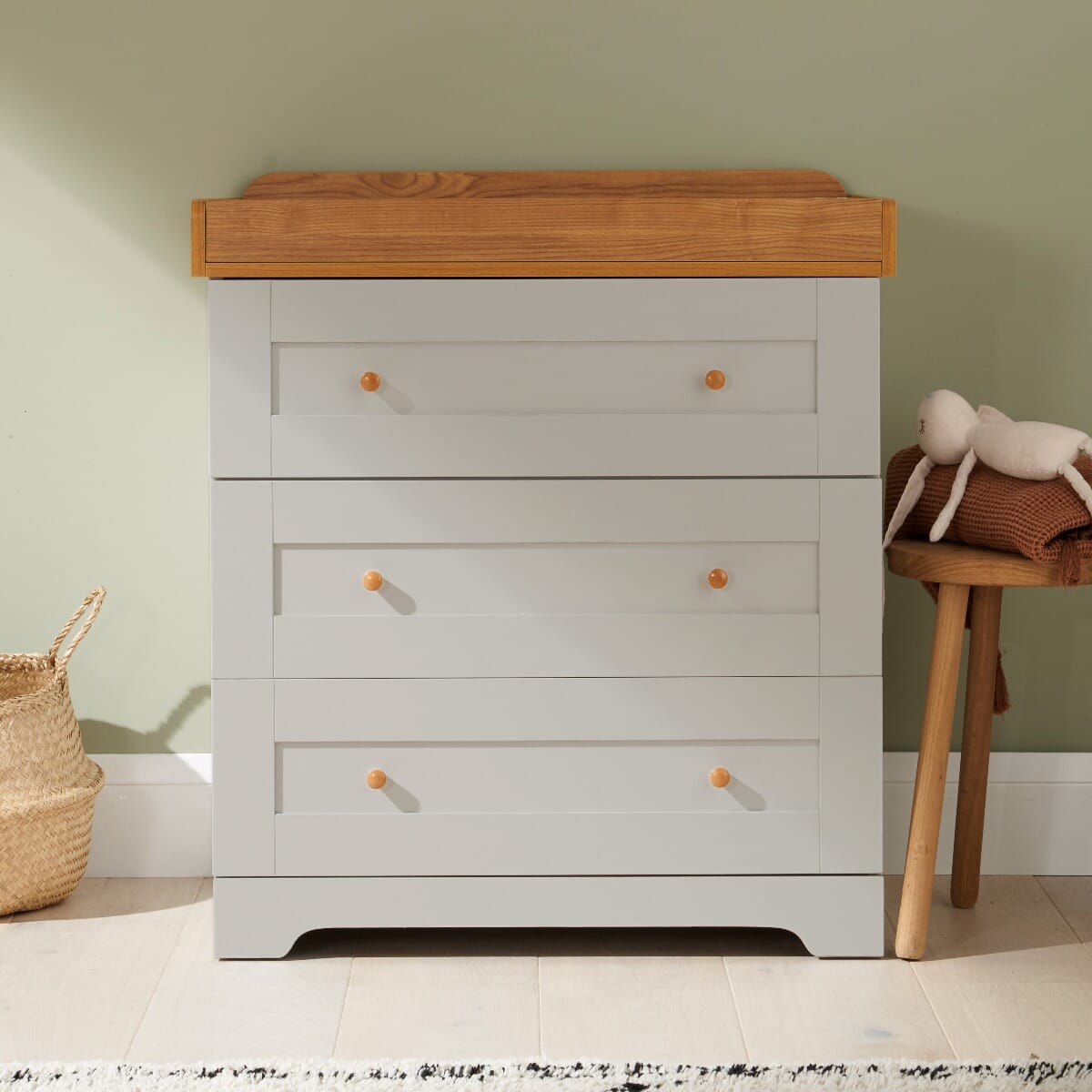
A chest of drawers for folded items, vests, sleepsuits, muslins, bedding, is the most space-efficient option for small garments. Pull-out drawers let you see everything clearly without disturbing neatly folded piles.
The combination chest-of-drawers-plus-changer
Many families choose a chest of drawers with a changer top for the first 12-18 months. This puts a changing surface at standing height (significantly better for your back) and positions all changing supplies in the drawers directly below. Once baby is mobile and no longer safe on a raised changer, the top can be removed and the unit continues as a standard chest of drawers.
-
A unit with at least 3-4 drawers for the split between clothing, bedding, and nappy supplies
-
A changer top that attaches securely and includes a raised edge to prevent rolling
-
Never leave baby unattended on a raised changing surface

How Much Storage by Room Size
Small nursery (under 8m squared)
Choose multi-functional storage: a wardrobe with drawers built in, or a changing unit that doubles as a chest of drawers. Avoid overfilling the room as a calm nursery environment supports better sleep.
-
One wardrobe (90cm wide) OR one chest of drawers/changer unit
-
One additional shelf unit or set of wall shelves for overflow
-
A basket or caddy next to the changing area for immediate-use supplies
Medium nursery (8-12m squared)
A wardrobe plus a chest of drawers/changer unit is the standard combination. There is room for a nursing chair - which means you will want a small side table or caddy nearby for night feeds.
-
Wardrobe (100-120cm wide)
-
Chest of drawers with changer top
-
One additional shelf unit or bookcase
-
A nursing chair with a side caddy
Larger nursery (12m squared and above)
With more space, you can plan for growth. Full nursery furniture sets designed around a cot bed, wardrobe, and chest of drawers are more economical than buying pieces separately.
The Changing Station: Getting Storage Right at Point of Use
The most-used storage in a nursery during the first year is wherever nappies, wipes, and spare sleepsuits live relative to the changing area. A drawer directly below the changing surface means you never have to take your hand off baby while reaching for supplies.
What to keep in or immediately next to the changer
-
10-15 nappies (rotating stock)
-
1 pack of wipes
-
Nappy cream
-
2-3 spare sleepsuits
-
2-3 muslins
-
Small bin for nappy disposal
Conclusion
Nursery storage does not need to be complicated - but it does need to be planned before baby arrives. The pieces that matter most are a changing area with supplies within arm's reach, enough drawer space for the first year's clothing and bedding, and a wardrobe that has room to grow.
Tutti Bambini's nursery furniture range covers every room size, from compact sets for smaller rooms to full collections that grow with your child from nursery into the toddler years.